For Residential Care
The BOUNCE Approach® for Residential Care
Building trust
Understanding the nervous system and relational needs behind the most complex behaviour – and how to build trust with children who have learned that adults cannot be trusted.
What your role actually is
Understanding children who’ve learned adults can’t be trusted
You are not a therapist. You are something these children need even more.
You are the consistent, regulated adult who is there day after day – in the ordinary moments that are anything but ordinary for a child who has never experienced ordinary as safe.
The BOUNCE Approach® helps you understand what that means – and how to do it in a way that genuinely changes things.
A look inside
See what your team would be working from
A short tour of the Learning Portal – the same account every member of staff receives, on every shift.
The shared language
The six BOUNCE pillars
Six areas that shape how a young person copes with the day, and the framework every member of staff works from on every shift. Select any pillar to see the training and resources within it.
B
Body & Nervous System
Grounding, regulation and somatic awareness.
Show more ↓
Applied Neuroscience
Window of Tolerance Activity Pack
O
Openness to Connection
Trust, attachment and co-regulation.
Show more ↓
Applied Attachment
Improving Attachment through Play
Running Nurture-Informed Groups
Safe People, Safe Places
Activities and Ideas for Transitions and Change
U
Understanding Sensory
Sensory processing and awareness.
Show more ↓
Applied Sensory Processing
Sensory Differences Activity Pack
N
Navigating Emotions
Emotional expression and regulation.
Show more ↓
Applied Emotion
The BOUNCE Emotional Literacy Programme
Sand Play Training
Mood Monster Display Pack
C
Connection & Communication
Communication skills and connection.
Show more ↓
Applied Communication
How I Communicate Pack
Restore, Repair and Prevent Toolkit
E
Esteem & Identity
Self-esteem, identity and belonging.
Show more ↓
Applied Identity
Beliefs and Values
A Part of Me Feels
My Brave and Strong Parts
My Reflection Pack
LEGO® and Minecraft Belief and Cognitive Distortions Bundles
Rosenberg Self-Esteem Scale
← Swipe to explore →
The Learning Portal
The same understanding on every shift
A young person who gets one response on Monday and a different one on Tuesday learns that adults are unpredictable. When every member of staff works from the same portal, the approach stops changing with the rota.
55+
CPD courses
Foundation to specialist
120+
Activities and ideas
Ready to run in a session
40+
Regulation strategies
Nervous system first
38+
Printable packs
Download and use today
Regulation first
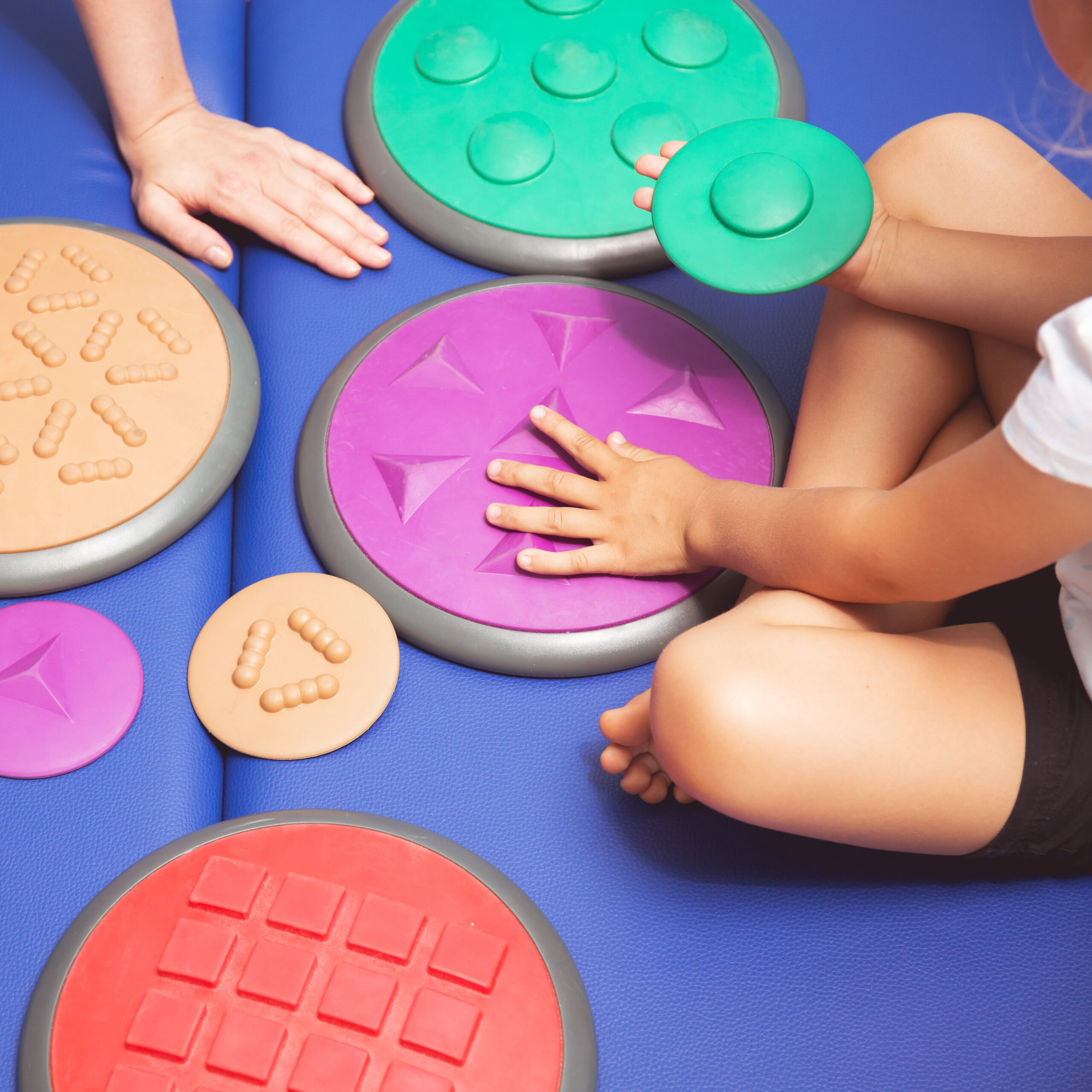
Somatic and sensory tools
A young person in survival state cannot access a conversation about behaviour. These come first, and they work at the level of the nervous system rather than the reasoning brain.
✓
Sensory circuits and movement breaks
✓
Grounding, breathing and interoception work
✓
Drumming, yoga and story massage
✓
Sand tray and tactile interventions
✓
Regulation music children can use independently
Search by need
Activities, strategies and an A-Z
Filter by pillar, by presenting need or by setting. Nobody is reading a whole course mid-shift – you go to the need and the ideas are there.
✓
Emotional regulation and co-regulation
✓
Anxiety, attachment and school avoidance
✓
Communication and executive functioning
✓
Identity, self-esteem and social skills
✓
De-escalation, plus an A-Z for quick answers
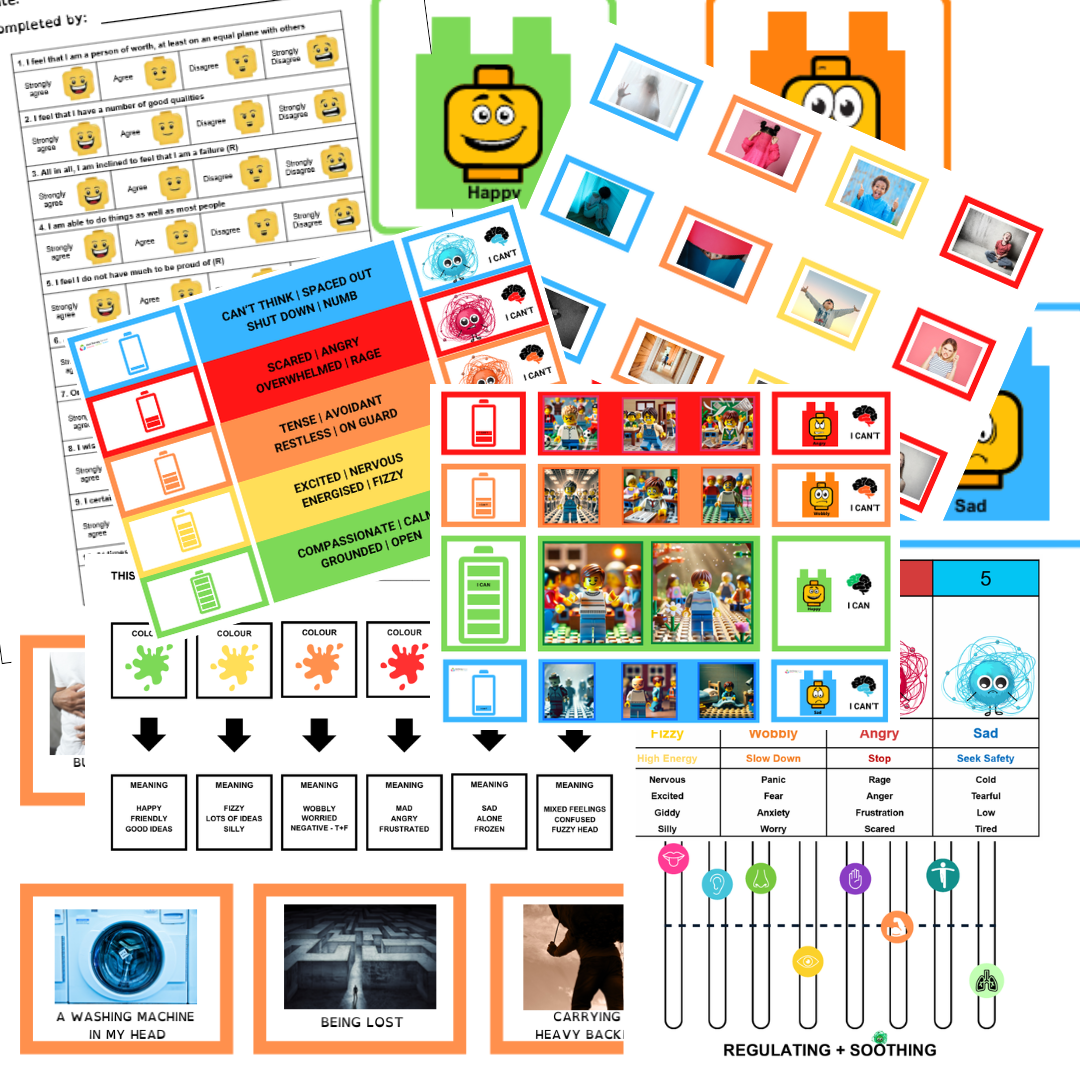
Print and go
Toolkits, printables and templates
Finished resources, not templates someone has to build out. Download it, print it, use it tonight – and share it with school and social workers so the same approach carries across.
✓
Emotional Regulation and Sensory Toolkits
✓
Executive Function resources
✓
Visuals, posters and choice boards
✓
Observation, planning and review templates
✓
Send-home to support families
All of it organised the same way.
The Snapshot flags a pillar, the portal is already sorted by that pillar – so a new member of staff on their first shift is working the same way as your most experienced.
Whole-team access across your home, from 3 to 50 staff. No VAT to add. Invoicing and purchase orders welcome.
Your BOUNCE journey
Your BOUNCE journey
The greatest difference in a residential home isn’t another programme – it’s every member of staff responding with confidence, consistency and understanding. The Learning Portal equips your whole team with two-minute Snapshots, practical training, creative interventions and live support – building a trauma-informed, neurodivergent-affirming culture where children experience the same therapeutic approach every day.
1
Understand
How do we understand what this young person needs?
Show more ↓
Staff complete a two-minute Snapshot before support begins
The Snapshot identifies strengths, developmental priorities and needs across the six pillars
Results link directly to relevant training, creative approaches, support plans and resources
Every member of staff follows the same trauma-informed framework across every shift
Managers gain a clear baseline to monitor progress over time
✓ What you get: A two-minute assessment that helps every member of staff understand what the young person needs next.
2
Confidence
How do staff know what to do next?
Show more ↓
Every member of staff has their own Learning Portal account
Staff learn to understand developmental stage rather than chronological age
Access practical training, editable support plans, PDF resources and ready-to-use strategies
Creative approaches: LEGO®, sensory circuits, art, movement, music, Play-Doh, drumming and emotional literacy
Live drop-in sessions mean the BOUNCE team is there when something isn’t working
✓ What you get: A confident workforce with practical tools, creative ideas and ongoing support.
3
Connect
How do we build trust through everyday interactions?
Show more ↓
This isn’t about worksheets – it’s creating experiences that build safety, trust and connection
Staff adapt creative approaches to each young person’s developmental stage and needs
Activities strengthen relationships, regulation, communication, confidence and identity
Every interaction, from breakfast to bedtime, becomes part of a consistent therapeutic approach
✓ What you get: Creative, flexible approaches that help every member of staff build stronger relationships and better outcomes.
4
Grow
How do we know we’re making a difference?
Show more ↓
Staff repeat the two-minute Snapshot at agreed review points
Progress is measured against the original baseline
If something isn’t working, staff access extra training, resources or live drop-in support
Staff record progress within your home’s existing recording and care planning systems
✓ What you get: Reliable progress information and ongoing support, helping your team continually improve outcomes.
5
Build a Therapeutic Culture
How do we create lasting change across the whole home?
Show more ↓
Staff record Snapshot outcomes and progress within your existing systems
Managers review progress at key points to understand what makes the greatest difference
Evidence improvements in regulation, relationships, engagement, independence and wellbeing
Build a culture where every member of staff responds with the same understanding and approach
✓ What you get: A confident, consistent team delivering relationship-based care that improves outcomes every day.
← Swipe to see more →
It’s not about age – it’s about developmental stage. Every member of staff will have the knowledge, tools and confidence to adapt their approach to the unique strengths, needs and experiences of the young person in front of them.
Testimonials
Trusted by professionals
★★★★★
“Your workshops were a highlight of SEND Live 2025. The feedback from attendees has been overwhelmingly positive.”
Lydia Martin
Senior SEND Project Officer
★★★★★
“CTS are SO important in equipping us as professionals with a range of ideas and knowledge to support children and families who feel lost or in the dark.”
Dr Claire Stubbs
Counselling Psychologist
★★★★★
“My absolute go-to when working in a primary school. These resources have made a huge difference to our vulnerable children.”
Debbie
Pastoral Lead
★★★★★
“The whole package of intervention alongside appropriate impact measurement tools is an excellent way to evidence progress and impact.”
Nathan
Professional
★★★★★
“A highly effective and practical tool that benefits both pupils and classroom practice. Real impact on my work supporting pupils with ASN.”
Chloe
Teacher (ASN)
← Swipe to see more →