For ELSAs
The BOUNCE Approach® for ELSAs
Beyond emotional literacy
A whole-child framework for the moments when emotional literacy alone isn’t enough – helping you understand what some children need before it can truly take root.
When emotional literacy alone isn’t enough
Every ELSA knows these children
The child who says “I don’t know” – every single time, no matter how gently you ask.
The child who attends every session but never seems to move forward.
The child whose confidence builds and then collapses the moment they leave the room.
The child who can tell you exactly what a good friend does – and still eats alone every day.
The child who wants to come to school – and whose body won’t let them.
The child you have tried everything with, and who is still exactly where they started.
← Swipe to see more →
The child who leaves you wondering: what am I missing?
You’re not missing skill. You’re not missing care. You may be missing a framework that helps you understand what’s happening underneath.
That’s what the BOUNCE Approach® is for.
★★★★★
“As an ELSA, the students coming to me – especially the older ones – are more and more complex, and I used to sit down to plan and not know where to start. The BOUNCE Approach® gave me a huge toolkit of strategies and resources, so I can run my ELSA sessions and, when a student needs more beyond ELSA, I’ve got that covered too.
Now whoever I’m working with, I feel confident I can support them. I’m really grateful I found it.”
ELSA Practitioner
Emotional Literacy Support Assistant
A look inside
See where everything lives
A short tour of the Learning Portal, so you know exactly what you would be walking into on Monday.
Our approach · Let’s explore
The six BOUNCE pillars
Look beyond behaviour and explore the areas that may be influencing a child’s wellbeing, regulation, relationships, learning and development. Select any pillar to see what you can add to your toolkit.
B
Body & Nervous System
Grounding, regulation and somatic awareness.
Show more ↓
Applied Neuroscience
Window of Tolerance Activity Pack
O
Openness to Connection
Trust, attachment and co-regulation.
Show more ↓
Applied Attachment
Improving Attachment through Play
Running Nurture-Informed Groups
Safe People, Safe Places
Activities and Ideas for Transitions and Change
U
Understanding Sensory
Sensory processing and awareness.
Show more ↓
Applied Sensory Processing
Sensory Differences Activity Pack
N
Navigating Emotions
Emotional expression and regulation.
Show more ↓
Applied Emotion
The BOUNCE Emotional Literacy Programme
Sand Play Training
Mood Monster Display Pack
C
Connection & Communication
Communication skills and connection.
Show more ↓
Applied Communication
How I Communicate Pack
Restore, Repair and Prevent Toolkit
E
Esteem & Identity
Self-esteem, identity and belonging.
Show more ↓
Applied Identity
Beliefs and Values
A Part of Me Feels
My Brave and Strong Parts
My Reflection Pack
LEGO® and Minecraft Belief and Cognitive Distortions Bundles
Rosenberg Self-Esteem Scale
← Swipe to explore →
The Learning Portal
Everything you need, already in one place
You know the feeling. Sitting down to plan and not knowing where to start, so you build something from scratch again – your evening, your printer, your money.
55+
CPD courses
Foundation to specialist
120+
Activities and ideas
Ready to run in a session
40+
Regulation strategies
Nervous system first
38+
Printable packs
Download and use today
Body first
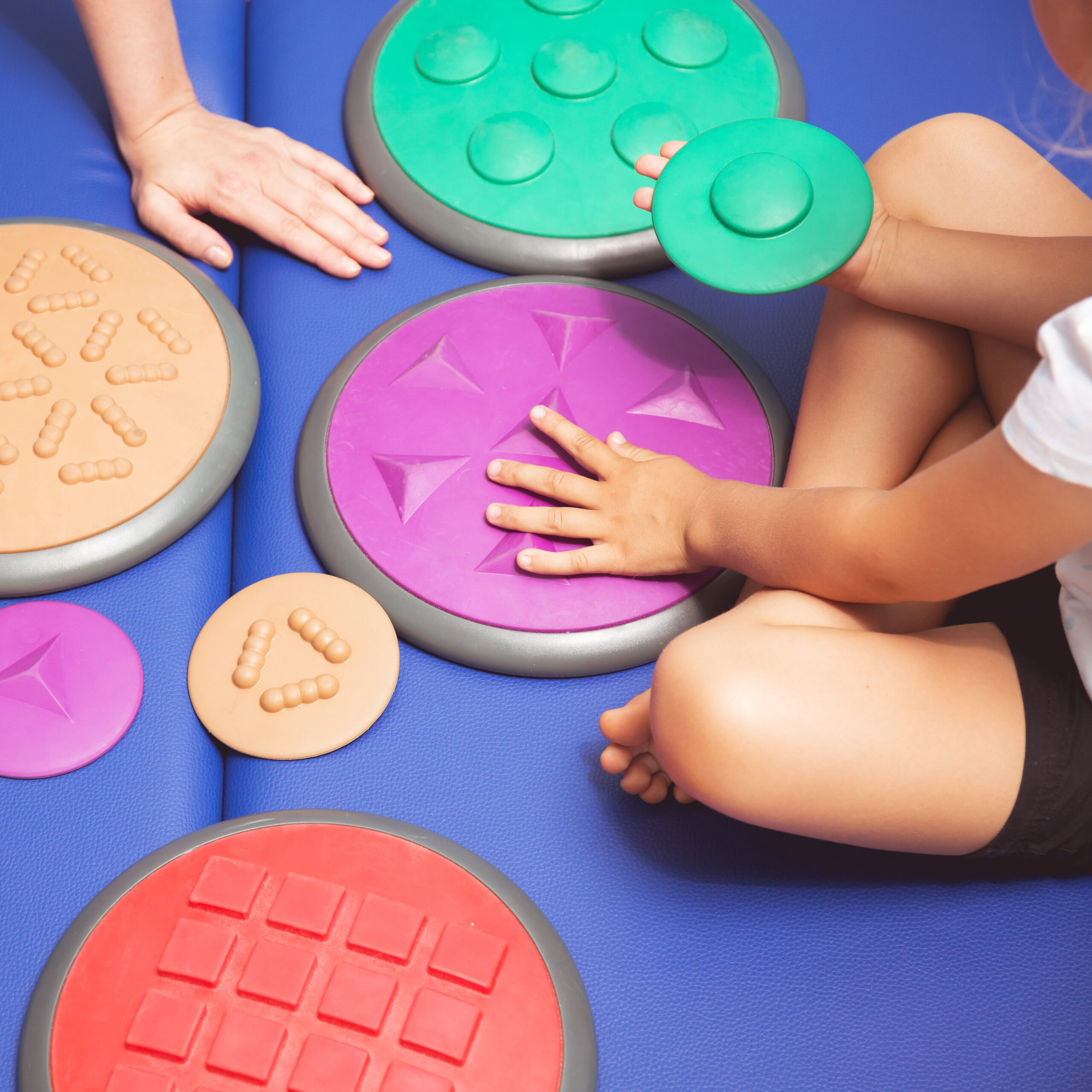
Somatic and sensory tools
A dysregulated child cannot access a conversation about behaviour. These come first, and they work at the level of the nervous system rather than the reasoning brain.
✓
Sensory circuits and movement breaks
✓
Grounding, breathing and interoception work
✓
Drumming, yoga and story massage
✓
Sand tray and tactile interventions
✓
Regulation music children can use independently
Search by need
Activities, strategies and an A-Z
Filter by pillar, by presenting need or by setting. You are not reading a whole course to find one idea – you go to the need and the ideas are there.
✓
Emotional regulation and co-regulation
✓
Anxiety, attachment and school avoidance
✓
Communication and executive functioning
✓
Identity, self-esteem and social skills
✓
De-escalation, plus an A-Z for quick answers
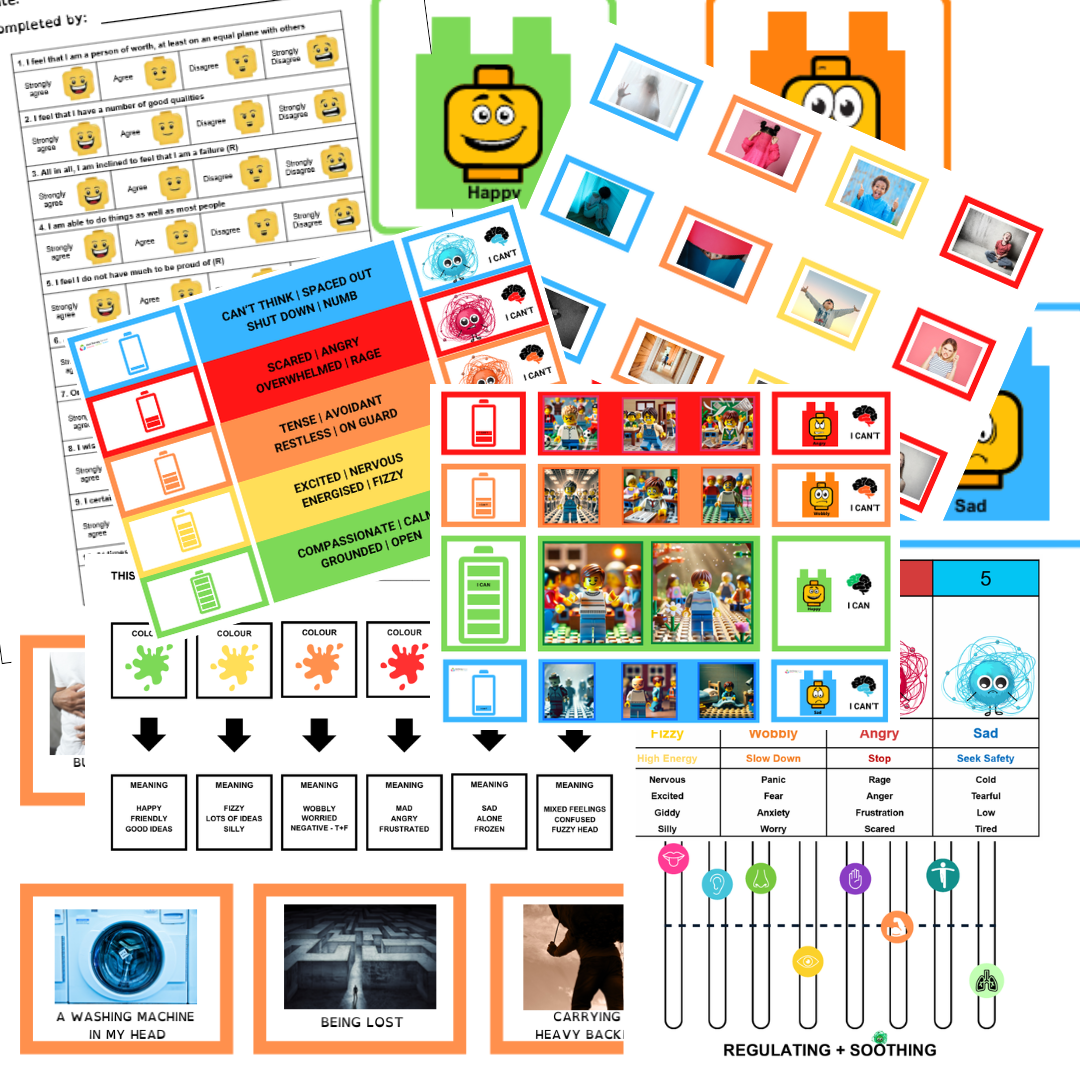
Print and go
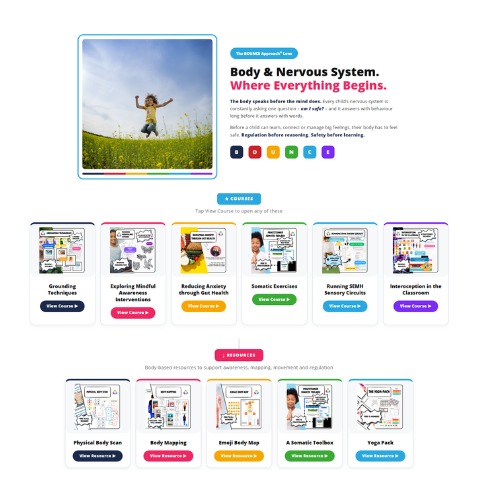
Toolkits, printables and templates
Finished resources, not templates someone has to build out. Download it, print it, use it this afternoon – and send it home so the same approach carries across.
✓
Emotional Regulation and Sensory Toolkits
✓
Executive Function resources
✓
Visuals, posters and choice boards
✓
Observation, planning and review templates
✓
Send-home to support families
All of it organised the same way.
The Snapshot flags a pillar, the portal is already sorted by that pillar – so the gap between knowing and doing is a click, not an evening.
One annual membership works out at under £27 a month, paid once. No VAT to add. Invoicing and purchase orders welcome if your school is funding it.
Your BOUNCE Journey
Your BOUNCE journey as an ELSA
When you receive a referral you move through a five-step journey. At each stage the Learning Portal gives you everything you need – assessment tools, editable support plans, resource libraries, creative therapy ideas, tracking tools and practitioner training.
1
Understand
I’ve received a referral – where do I start?
Show more ↓
Complete the two-minute Snapshot observation tool to see beyond behaviour to what the nervous system needs
Structured questions cover relationships, sensory world, emotions, communication and sense of self
Immediately identify which of the six pillars is the priority
Start from a clear, shared understanding of the child
✓ What you get: An online Snapshot tool, a clear baseline score, and instant knowledge of where to begin.
2
Identify
Now I know the pillar – what resources exist?
Show more ↓
Access an editable Word support plan template and customise it for this child
Browse a library of courses and ready-to-use printables
Find creative therapy resources across art, music, movement and sensory play
Download visual supports and worksheets hyperlinked to printable resources
Use Snapshots and tracking tools to monitor progress
✓ What you get: Editable support plans, courses, resources, creative therapies, visual supports and tracking tools – all ready to use.
3
Prepare
How do I plan 6 to 10 weeks of structured work?
Show more ↓
Download session plans linked to creative, impact-driven interventions
Follow a week-by-week sequence or explore child-led interventions like sand trays and expressive arts
Select which interventions you’ll use and what you’ll observe and track
Link sessions back to the Snapshot baseline to measure change
Create a written plan you can share with staff and SENDCos
✓ What you get: Editable six-week-plus intervention plans, LEGO®-style literacy lessons, BOUNCE PSHE Learning Journeys, printables and a progress tracker.
4
Support
What training do I need?
Show more ↓
Complete the self-paced Welcome to BOUNCE training on nervous system foundations
Access courses explaining the theory behind what you’re about to deliver
Use downloadable session plans with activity steps and observation prompts
Follow delivery guides with options to adapt to the child’s response
Monitor change through the two-minute Snapshot tool
✓ What you get: Training videos, pillar-specific modules, downloadable session plans, activity guides and observation prompts.
5
Demonstrate Impact
How do I show what changed?
Show more ↓
Repeat the original Snapshot at the end of your block or at a review point
Complete the Progress Tracker, entering entry and exit data
Create a one-page summary showing parents, teachers and the SENDCo what shifted
Have both the numbers and the narrative to communicate results
Use measurable progress to evidence EHCPs, reviews and inspections
✓ What you get: A Snapshot repeat assessment, a progress report, observation guidance, and a structured way to communicate results.
← Swipe to see more →
From a five-year-old learning to regulate to an eighteen-year-old building their identity, every session you deliver can be adapted to the child in front of you.
Testimonials
Trusted by professionals
★★★★★
“Your workshops were a highlight of SEND Live 2025. The feedback from attendees has been overwhelmingly positive.”
Lydia Martin
Senior SEND Project Officer
★★★★★
“CTS are SO important in equipping us as professionals with a range of ideas and knowledge to support children and families who feel lost or in the dark.”
Dr Claire Stubbs
Counselling Psychologist
★★★★★
“My absolute go-to when working in a primary school. These resources have made a huge difference to our vulnerable children.”
Debbie
Pastoral Lead
★★★★★
“The whole package of intervention alongside appropriate impact measurement tools is an excellent way to evidence progress and impact.”
Nathan
Professional
★★★★★
“A highly effective and practical tool that benefits both pupils and classroom practice. Real impact on my work supporting pupils with ASN.”
Chloe
Teacher (ASN)
← Swipe to see more →