

Neurodivergent-affirming · Evidence-informed
Behaviour is communication.
We help you read it.
The Child Therapy Service provides an ecosystem of evidence-informed training, practical tools and ready-to-use resources that help you understand children differently.
Trusted by local authorities & organisations across the UK


Who we help
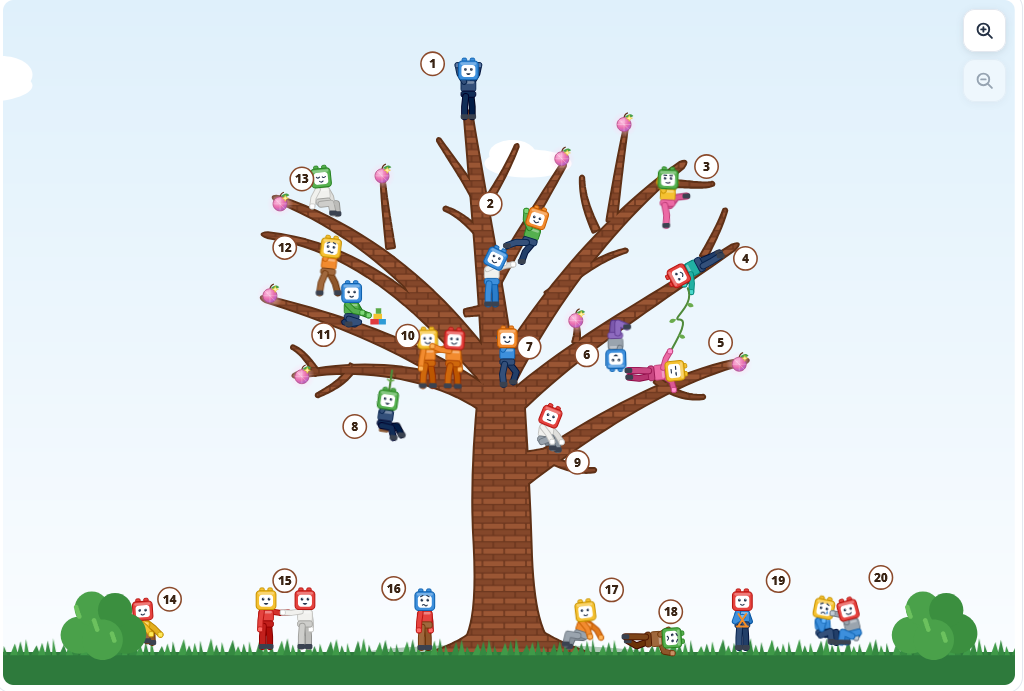
Do you recognise this child?
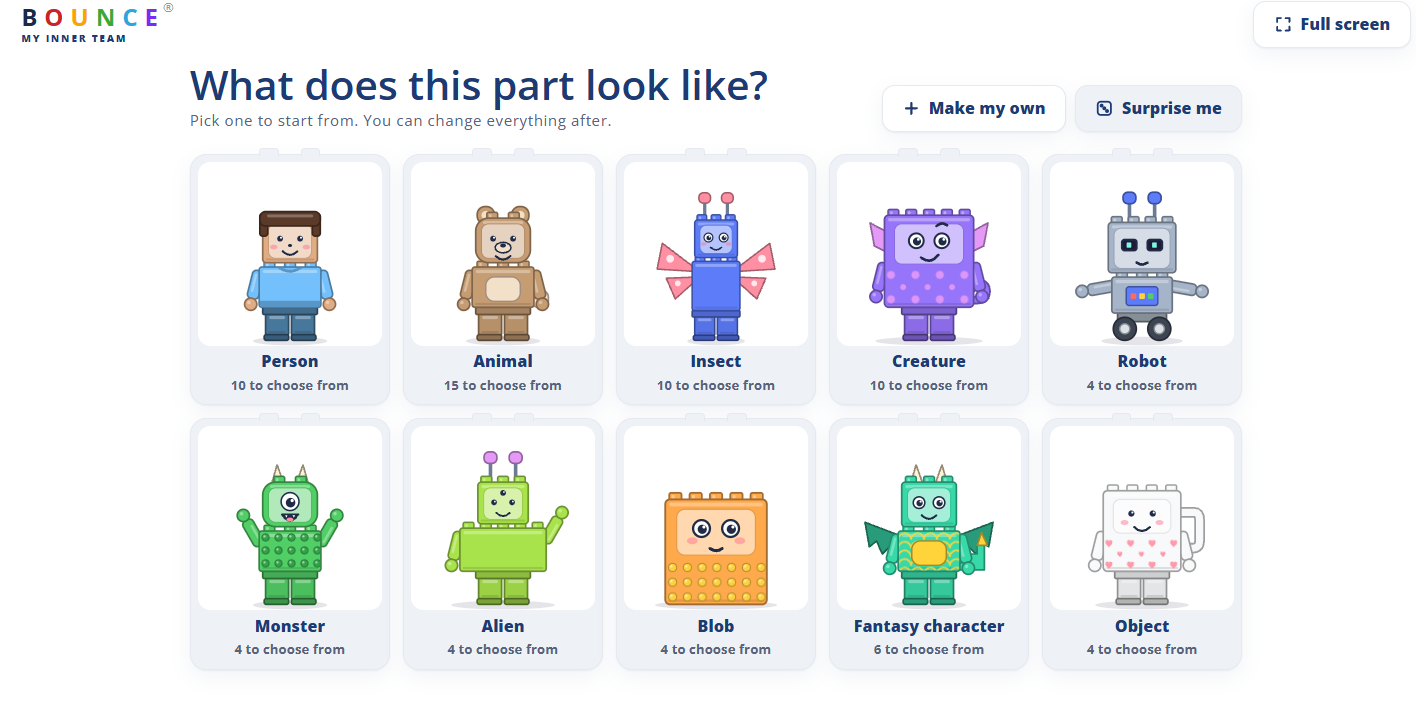
The BOUNCE Approach® was built for all three – by someone who has been in your shoes and does the work every day.
The BOUNCE® lens
Six pillars. One whole child.
Instead of “why is this child anxious?”, we look beneath – through six interconnected areas of development.
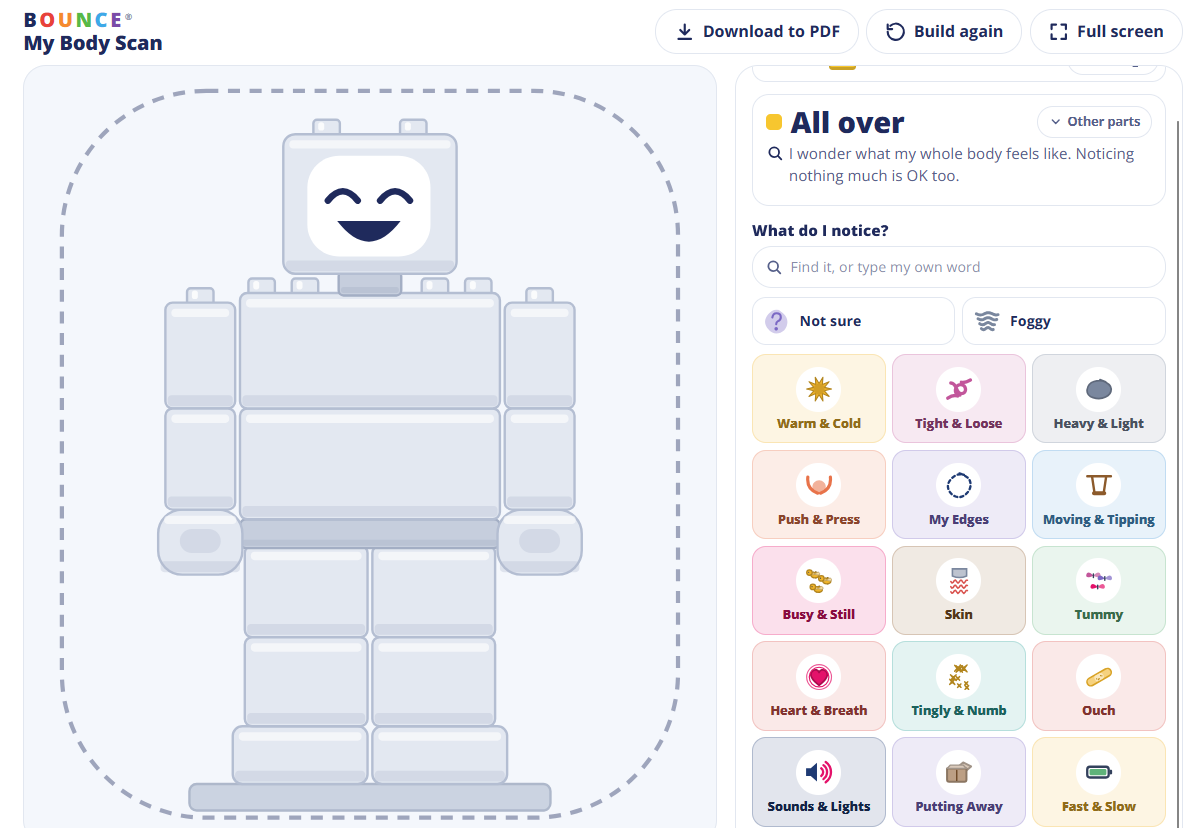
Body
Nervous system – is this child detecting danger, or safe enough to engage?
Openness
Attachment – how might relationships and experiences of safety be shaping behaviour?
Understanding
Sensory – could this child’s sensory world be overwhelming their nervous system?
Navigating emotions
Emotions – can this child notice, understand and express what their body is feeling?
Communication
Connection – how is it affecting their ability to connect and ask for help?
Esteem & identity
Self – what beliefs about themselves might this child have developed?
Your next step
One framework. Different pathways.
Choose the route that fits your role.
← Swipe to explore →
Trusted service
Real stories from families and professionals
★★★★★
“Insightful and empathetic, with actionable advice. I left feeling totally understood and really positive about life with our little boy.”
Kirsty
Parent
★★★★★
“SO important in equipping us as professionals with a range of ideas and knowledge to support children and families who feel lost.”
Dr Claire Stubbs
Counselling Psychologist
★★★★★
“It allowed me not just to understand my own son’s struggles but my own childhood struggles I never fully addressed.”
Elka
Parent
★★★★★
“Your knowledge and compassion are admirable. Any family, parent or child would be more than fortunate to be in your care.”
Carla Mendônça
Actress & Author
★★★★★
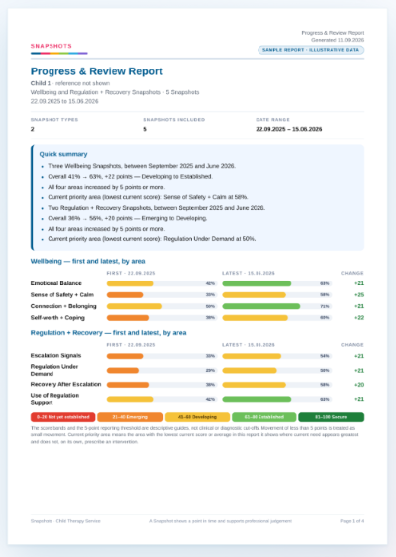
“The whole package of intervention alongside appropriate impact measurement tools is an excellent way to evidence progress.”
Nathan
Professional
★★★★★
“Your workshops were a highlight of SEND Live 2025. The feedback from attendees has been overwhelmingly positive.”
Lydia Martin
Senior SEND Project Officer
EBSA – a parts-based approach
Understanding school avoidance through the BOUNCE® lens – helping children feel safe enough to reconnect with learning.
10/07/2026 · Membership
From beliefs to values
The neuroscience of beliefs – how what a child believes about themselves is built, and how it can change.
02/07/2026 · Whats New
BOUNCE Learning Journeys
A PSHE route for students who cannot access the existing curriculum – and what it looks like in practice.
22/06/2026 · Membership
Body and the nervous system
Where everything begins – why felt safety in the body comes before connection, learning and regulation.
22/06/2026 · Neurodevelopmental
Struggling with uncertainty
Why not knowing what comes next can feel like danger to a nervous system – and what helps.
11/06/2026 · Neurodevelopmental
Perfectionism
What the need to get it exactly right is protecting – and why it is rarely about high standards.
11/06/2026 · Neurodevelopmental
Felt safety and the gut
The gut-brain connection, and why tummy aches are so often the first place stress shows up.
04/06/2026 · Neurodevelopmental
Meltdowns
What is happening in a child’s body during a meltdown – and why reasoning never reaches them.
04/06/2026 · Neurodevelopmental
Learned masking
The child who holds it together all day – what masking costs, and why it collapses at home.
03/06/2026 · Neurodevelopmental
Justice sensitivity
When unfairness lands in the body – understanding the child who cannot let it go.
25/05/2026 · Navigating Emotions
Hyperfocus
Deep attention as a genuine strength – and what happens when it is treated as a problem to correct.
22/05/2026 · Neurodevelopmental
An alternative to behaviour management
Working upstream of behaviour instead of managing it – what the BOUNCE Approach® does differently.
24/04/2026 · Blog
Meet the developmental gap, not the chronological age.
The right support, at the right level, at the right time. Answer a few questions and we’ll point you the right way.