The BOUNCE Approach® for SENDCOs
Understanding what is in the way
A whole-child framework for understanding behaviour, attendance and regulation – built so your team can get on with it, without everything coming through you.
An account for every member of staff
EHCP mapping
Evidence for annual reviews
The Studio
55+ CPD courses
Whole-team access from 3 to 50 staff. No VAT to add. Invoicing and purchase orders welcome.
The children you are already thinking about
Every SENDCO knows these children
Not the ones you have not noticed. The ones you have thought about a hundred times already.
The child who has interventions in place and is still struggling to access learning.
The child whose behaviour plan has been reviewed again and again, and not much has changed.
The child who has support from several professionals and continues to struggle across the day.
The child who appears to manage on paper but cannot consistently show it in practice.
The child whose attendance or wellbeing keeps coming up, however much everyone tries.
The child whose needs seem more complex than any single assessment can explain.
← Swipe to see more →

The child who leaves you asking: what are we missing?
You are not missing provision. You are not missing care. What you may need is a wider lens – and more people able to use it.
Where your team comes in
Your team can start on Monday
Every member of staff gets their own account. They do not wait for you to allocate, train, print or explain.
1
They notice a child is struggling
A two-minute Snapshot, completed by whoever knows the child best. No referral to you, no place on a list.
2
They find out where to begin
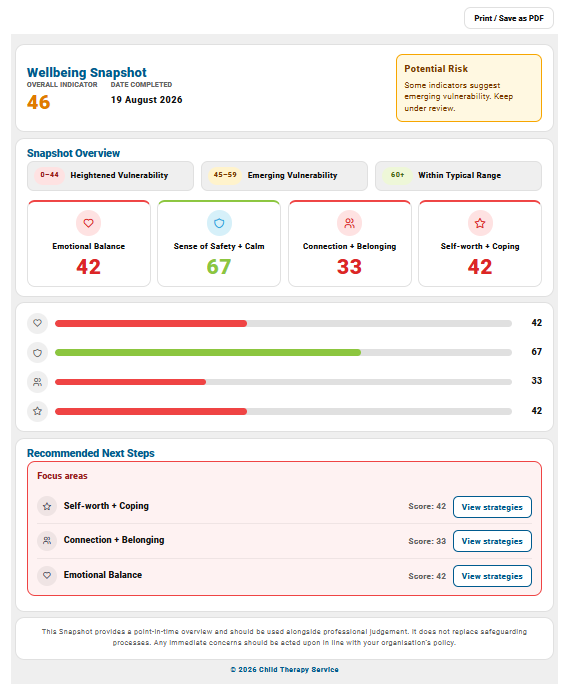
The Snapshot ranks the domains and links straight to what might help. They do not need to know the framework to use it.
3
They learn what they need
Training sits right next to the resource. Watched in a free period, not on an INSET day you had to book.
4
They print it and run it
Session plans and materials ready to go. Nothing to design, nothing to source, nothing to make at half past nine at night.
5
They check whether it worked
The same Snapshot again at review, mid-term rather than end-of-term. The change shows up.
← Swipe to see more →
In two minutes
What they get back
Not a number to interpret. A profile that names the domain to act on first, and links straight to what to do about it.
✓
A ranked profile across the BOUNCE domains, not a single score
✓
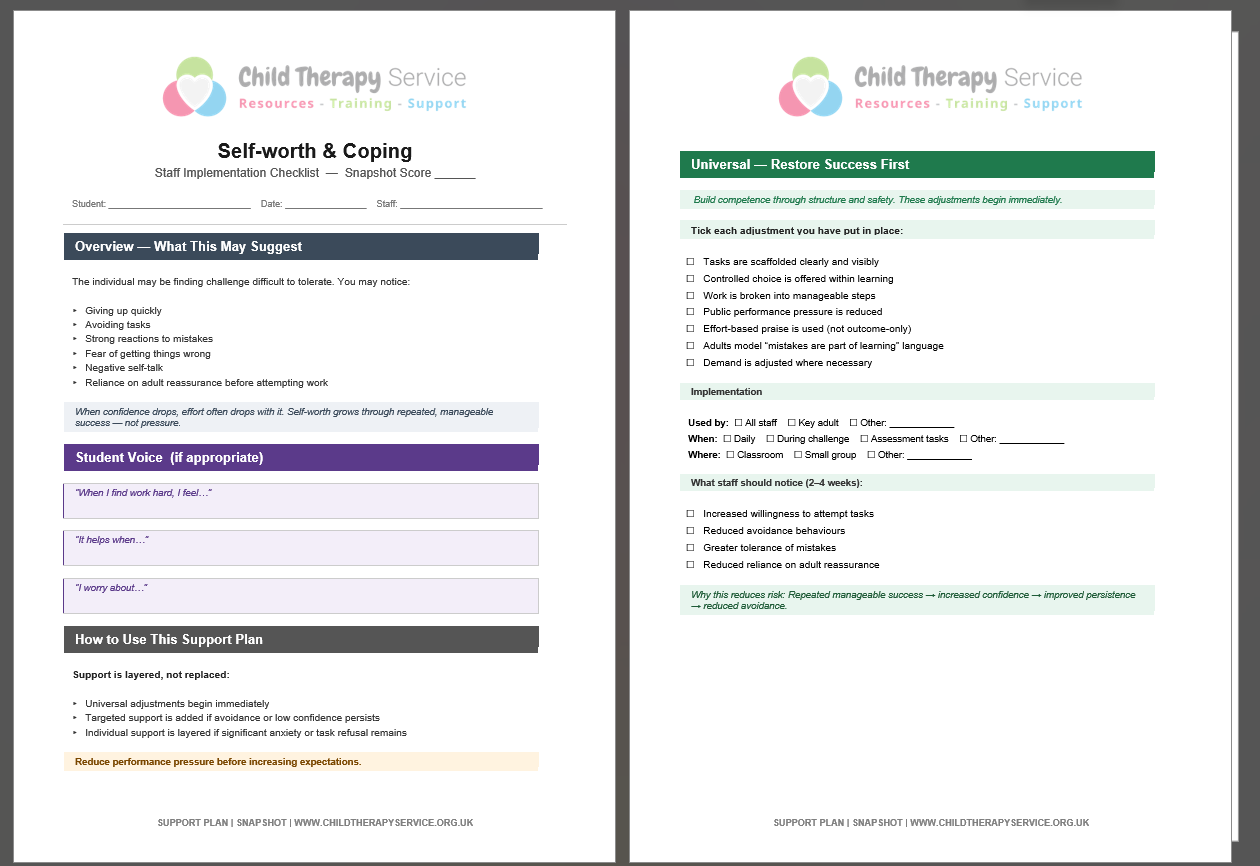
A tiered editable support plan generated instantly
✓
Ready to print and turn into action
The plan, not the score
A support plan they can act on
Every flagged area links to the matching training, activities and interactive professional Studio tools. Your staff do not go looking for resources somewhere else – the next step is already on the page in front of them.
You hear about it when there is something to know.
Not at every step, and not because someone is waiting at your door for a resource.
★★★★★
As a SENDCO my time is the thing I never have enough of. The BOUNCE Approach® has been brilliant – the SEMH-focused CPD is online, so my staff can access it themselves, watch the training and print off resources to run the intervention independently.
And it comes with an assessment tool, so I can see what is working and evidence it. It has given my whole team confidence to support the children with the most complex needs.
SC
SC
SENDCO · Verified professional
Our approach
The six pillars of the BOUNCE Approach®
Behaviour tells you something is happening. It does not always tell you what. These six areas are places to look.
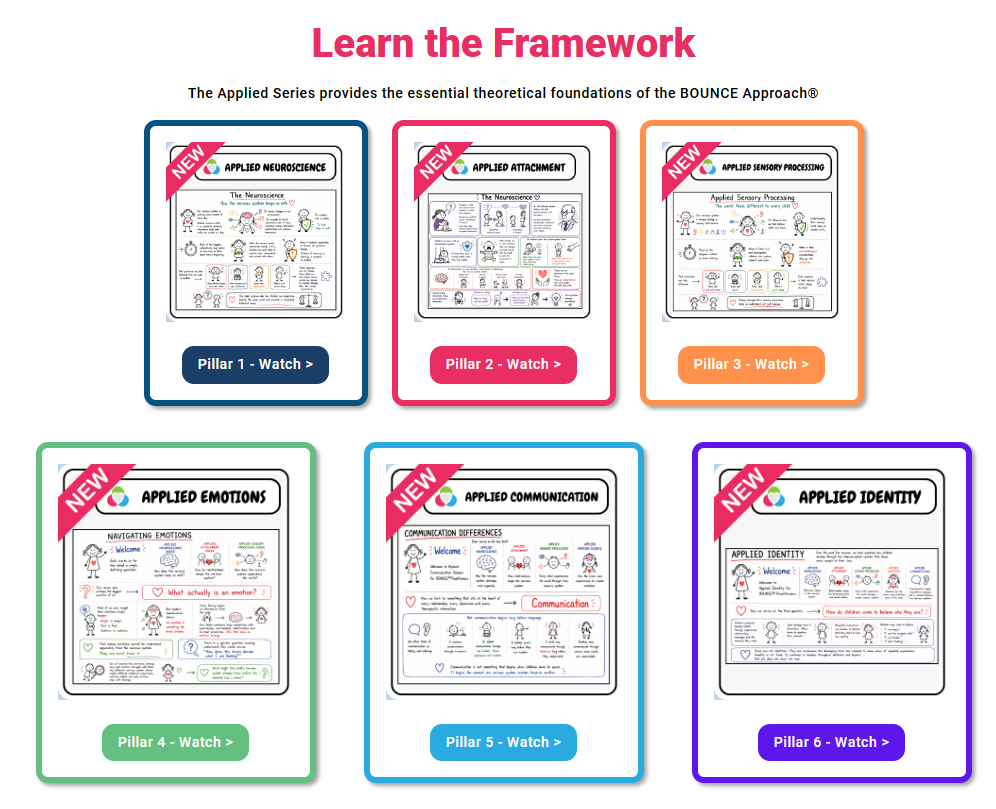
Learn it once, use it everywhere, go deeper when you need to
Your staff are not signing up to fifty courses. They learn the foundation of a pillar, start using it the same week, and only go further when a particular child needs something specific.
1
Learn the foundation
One Applied course for each pillar. What is actually happening in a child’s body, relationships, senses, emotions, communication and sense of self – explained so a member of staff can use it, not just agree with it.
2
Use it in the room
The foundation changes everyday practice straight away – what to notice, what to change around the child, what to say and when to say less. No extra session needed to put it to work.
3
Go deeper for one child
When a child needs something specific, there is intervention training with printable worksheets – enough to start this week and run a six-week block with a child or a small group.
Open any pillar to see how that works in practice.
B
Body and Nervous System
Grounding, regulation and somatic awareness.
1 · Start with the foundation
Applied Neuroscience
2 · Go deeper when a child needs it
Expanding the Window of Tolerance
De-escalation through Co-regulation
Executive Functions and Poor Behaviours
Supporting ADHD Students
Supporting Students with Executive Function Difficulties
Grounding Techniques
Somatic Exercises
Drumming for Regulation
A Somatic Toolbox
O
Openness to Connection
Trust, attachment and co-regulation.
1 · Start with the foundation
Applied Attachment
2 · Go deeper when a child needs it
Improving Attachment through Play
Running Nurture-Informed Groups
Emotionally Based School Avoidance
Managing Demand Avoidance
Reducing Anxiety through Soft Landings
Different Behaviour Between Home and School
Safe People, Safe Places
Activities and Ideas for Transitions and Change
U
Understanding Sensory
Sensory processing and awareness.
1 · Start with the foundation
Applied Sensory Processing
2 · Go deeper when a child needs it
Interoception in the Classroom
Sensory Circuits Intervention
Sensory-based Story Massage
The Tactile Defensiveness Project
Creating a Multi-Sensory Regulation Toolkit
Fidget Toys for Learning and Regulation
Emotional Overwhelm due to Sensory Overload
Sensory Differences Activity Pack
N
Navigating Emotions
Emotional expression and regulation.
1 · Start with the foundation
Applied Emotion
2 · Go deeper when a child needs it
The BOUNCE Emotional Literacy Programme
Emotional Regulation and BOUNCE
Reducing Anxiety in Children
Negative Behaviour and Emotional Intelligence
LEGO® Feelings Intervention
Drawing Feelings Intervention
Running a Play-Doh Feeling Session
Creative and Expressive Arts Intervention
Sand Play Training
C
Connection and Communication
Communication skills and connection.
1 · Start with the foundation
Applied Communication
2 · Go deeper when a child needs it
LEGO®-based Therapy
Running a Comic Strip Intervention
Theory of Mind Intervention
Using Declarative Language
Supporting Autistic Students in the Classroom
Restorative Justice in Schools
Running Solution Circles
How I Communicate Pack
Restore, Repair and Prevent Toolkit
E
Esteem and Identity
Self-esteem, identity and belonging.
1 · Start with the foundation
Applied Identity
2 · Go deeper when a child needs it
Running a Tree of Life Intervention
A Parts Approach
Being Neurodivergent Affirming
Beliefs and Values
A Part of Me Feels
My Brave and Strong Parts
My Reflection Pack
LEGO® and Minecraft belief bundles
Rosenberg Self-Esteem Scale
← Swipe to explore →
Six pillars, one shared language.
A teaching assistant in Year 2 and a pastoral lead in Year 9 are working from the same six pillars. Handovers stop needing translation.
The Learning Portal
Everything your staff can find without asking you
You know the interruption. Someone at your door needing something for tomorrow, because you are the only one who knows where anything is.
55+
CPD courses
Foundation to specialist
120+
Activities and ideas
Ready to run in a session
40+
Regulation strategies
Nervous system first
38+
Printable packs
Download and use today
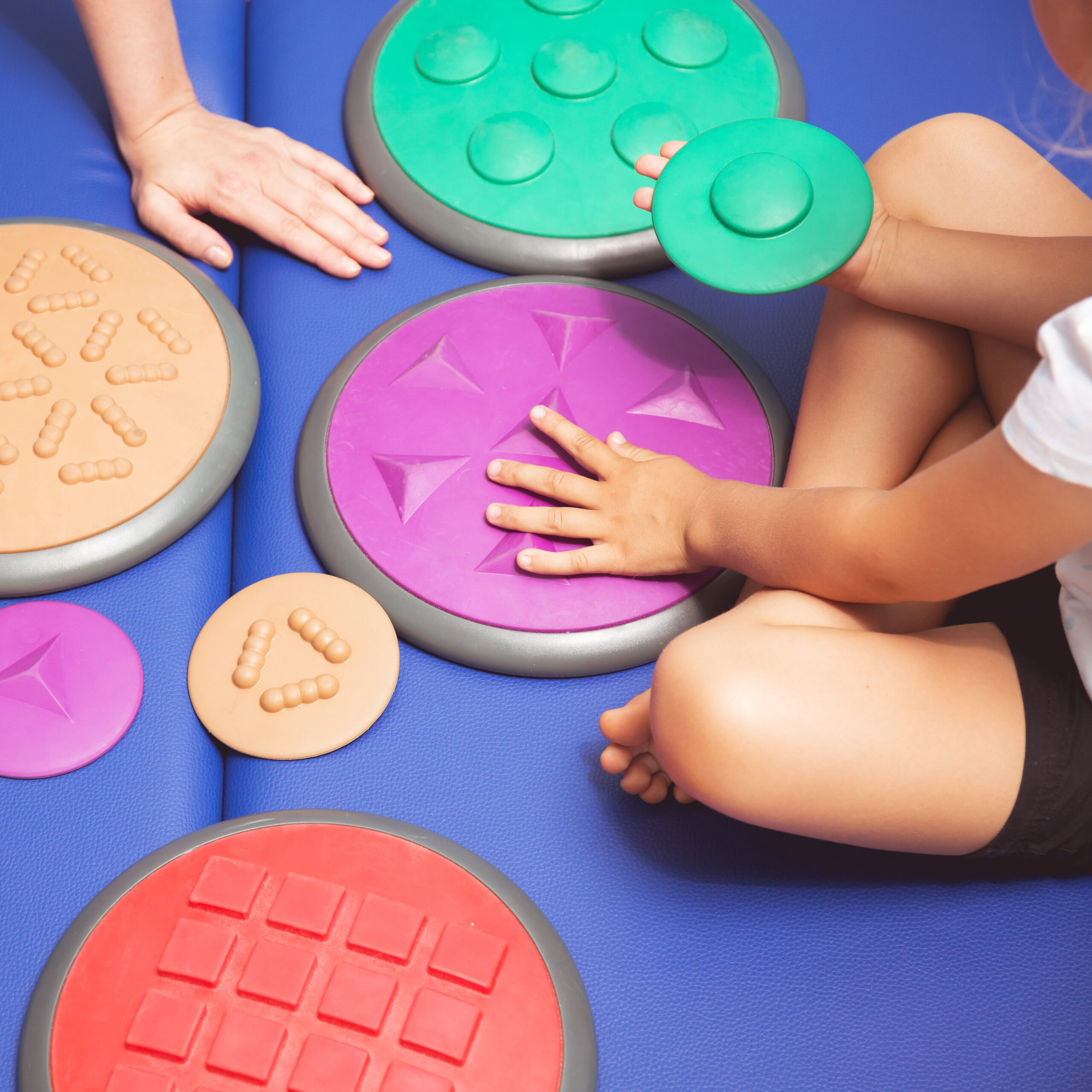
Body first
Somatic and sensory tools
A dysregulated child cannot access a conversation about behaviour. These come first, and they work at the level of the nervous system rather than the reasoning brain.
✓
Sensory circuits and movement breaks
✓
Grounding, breathing and interoception work
✓
Drumming, yoga and story massage
✓
Sand tray and tactile interventions
✓
Regulation music children can use independently
Search by need
Activities, strategies and an A-Z
Filter by pillar, by presenting need or by setting. Your staff are not reading a course to find one idea – they go to the need and the ideas are there.
✓
Emotional regulation and co-regulation
✓
Anxiety, attachment and school avoidance
✓
Communication and executive functioning
✓
Identity, self-esteem and social skills
✓
De-escalation, plus an A-Z for quick answers
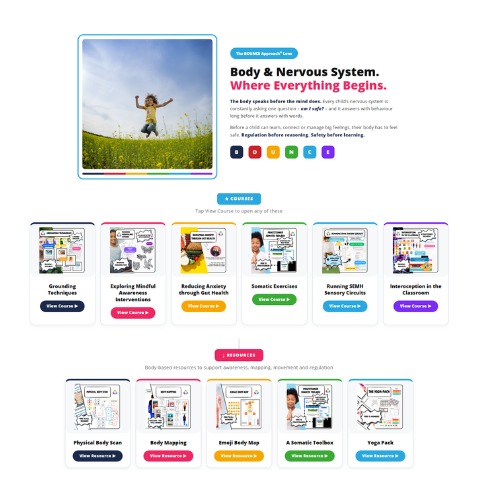
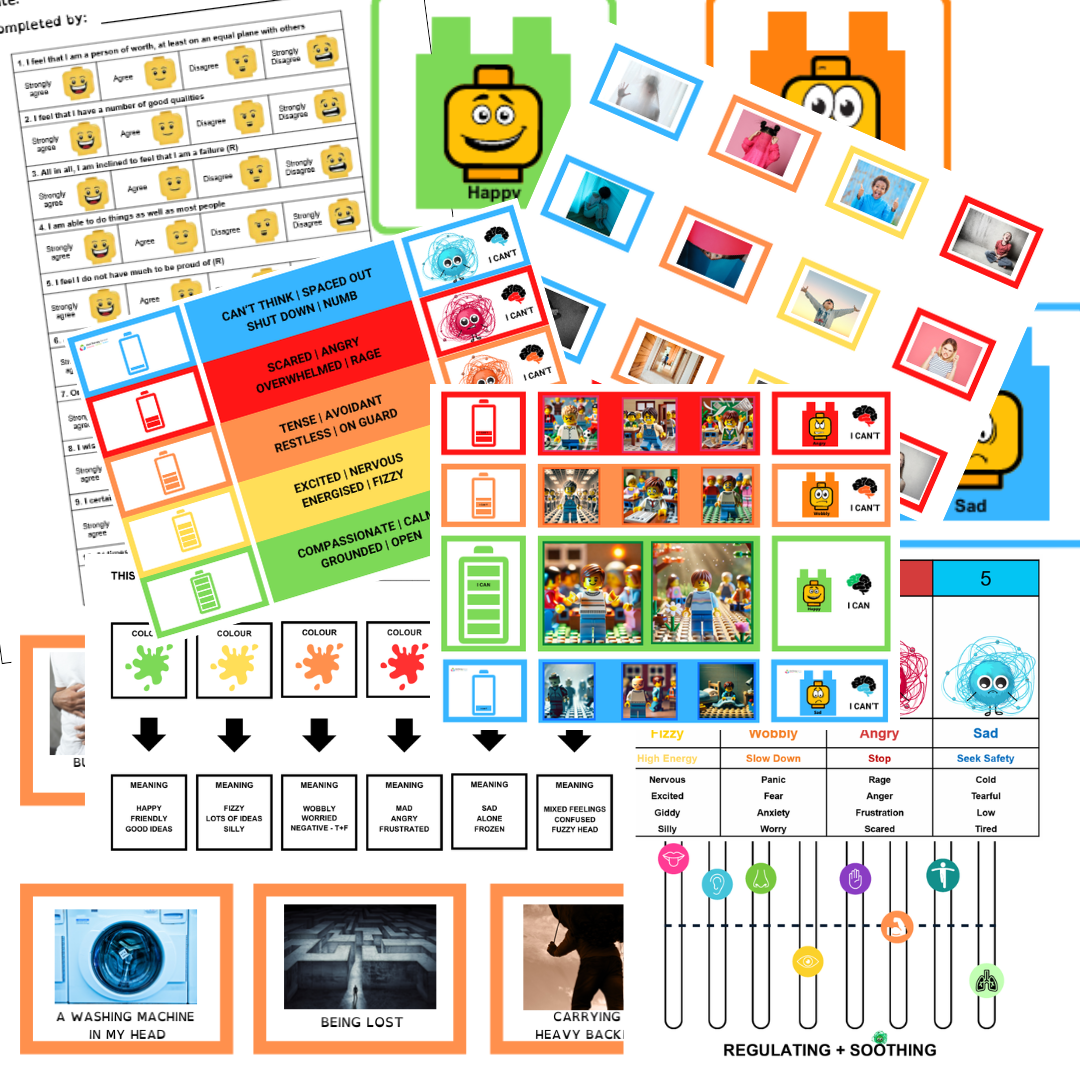
Print and go
Toolkits, printables and templates
Finished resources, not templates someone has to build out. Download it, print it, use it this afternoon – and send to the family so the same approach carries across.
✓
Emotional Regulation and Sensory Toolkits
✓
Executive Function resources
✓
Visuals, posters and choice boards
✓
Observation, planning and review templates
✓
Send-home to support families
All of it organised the same way.
Snapshot flags a domain, the portal is already sorted by that domain – so the gap between knowing and doing is a click, not an afternoon.
Whole-team access from 3 to 50 staff, family accounts included. No VAT to add. Invoicing and purchase orders welcome.
Your BOUNCE journey
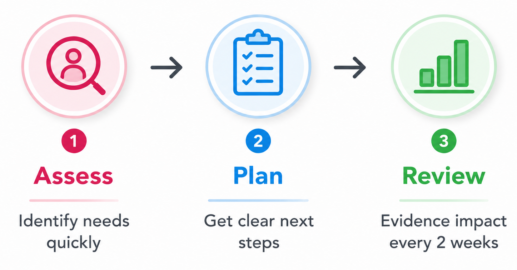
Assess, plan, do, review – running without you in the middle
You already work this way. What is hard is having something written down at each stage when someone asks you to show it months later, for a child you have thought about a hundred times since.
Step 1
Understand
Staff complete a two-minute Snapshot before support begins
It ranks the domains and names the one to act on first
You get a clear baseline to measure progress from
✓ A whole-child assessment any member of staff can complete.
Step 2
Plan
Staff follow the recommendations linked from the Snapshot
Editable support plans, printables and visual supports
Learning Journeys, sensory circuits and creative interventions
✓ Everything staff need to plan support with confidence.
Step 3
Deliver
Staff deliver structured interventions using ready-made plans
LEGO®, sand, art, Play-Doh, movement, drumming, sensory
Adapts for one child, a small group or a whole class
✓ The same framework in every classroom.
Step 4
Review
Staff re-run the Snapshot mid-term, not end-of-term
Progress is measured against the original baseline
Support is adjusted while there is still time to change it
✓ Progress updates without managing every intervention.
Step 5
Evidence
Baseline and review side by side, ready to print or save
Use it for provision mapping and annual reviews
Show what has already been tried when an application comes back asking
✓ Evidence as a by-product of the work, not a job on top of it.
← Swipe to see more →
↻ Then round again. The review becomes the next assessment – the loop closes without starting from scratch.
EHCP provision mapping
From what the plan says to what someone can do on Thursday
A plan describes need in the language the system requires. It rarely tells the person sitting with the child what to actually do – and provision nobody can picture delivering tends not to get delivered.

Five steps
Identify the need, then work forward
Select the strand and the area of need. The tool works through what you might see, the provision that matches it, the outcome wording, and the wider training that strengthens everyday practice.
✓
What that need may look like in the classroom
✓
The provision, training and materials that match it
✓
Suggested wording to build outcomes from
✓
Wider CPD to strengthen ordinarily available provision
Not just a job for the SENDCO
Anyone with a Learning Portal account can use it. That matters, because the person who writes the provision is rarely the person delivering it.
Writing the outcomes
Wording specific enough to be deliverable and specific enough to review, which is usually the same problem.
Preparing for a review
A class teacher can see what the named need tends to look like in the room, and what has been in place for it.
Handed a plan to deliver
A teaching assistant can work out what the plan actually asks of them, and find the training and materials to do it.
Working around the child
Pastoral leads, therapists, family workers and services all arrive at the same provision from the same starting point.
Four strands, sixteen named areas of need.
Cognition and Learning
Social, Emotional and Mental Health
Sensory and Physical
Identify. Match. Support. Review.
Each area of need also points towards the wider training that addresses it, so the same need is met a little better next time it appears – in this child and in others.
Included with Annual Membership
New · The Professional Studio
Something real to put in the review
Pupil voice is needed at every annual review, and for plenty of children the standard form gets you three words and a shrug. Not because they are withholding – being asked directly is its own kind of pressure.

My Safe Space
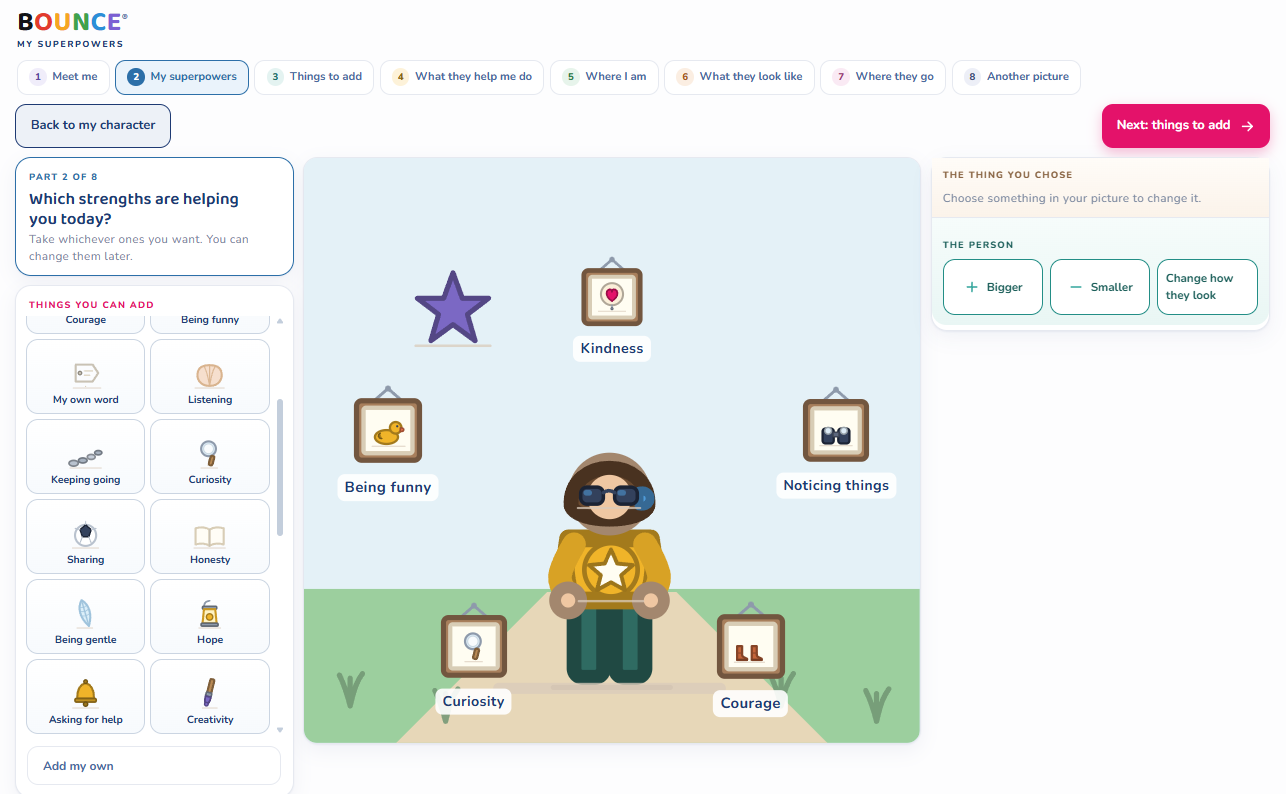
My Superpowers
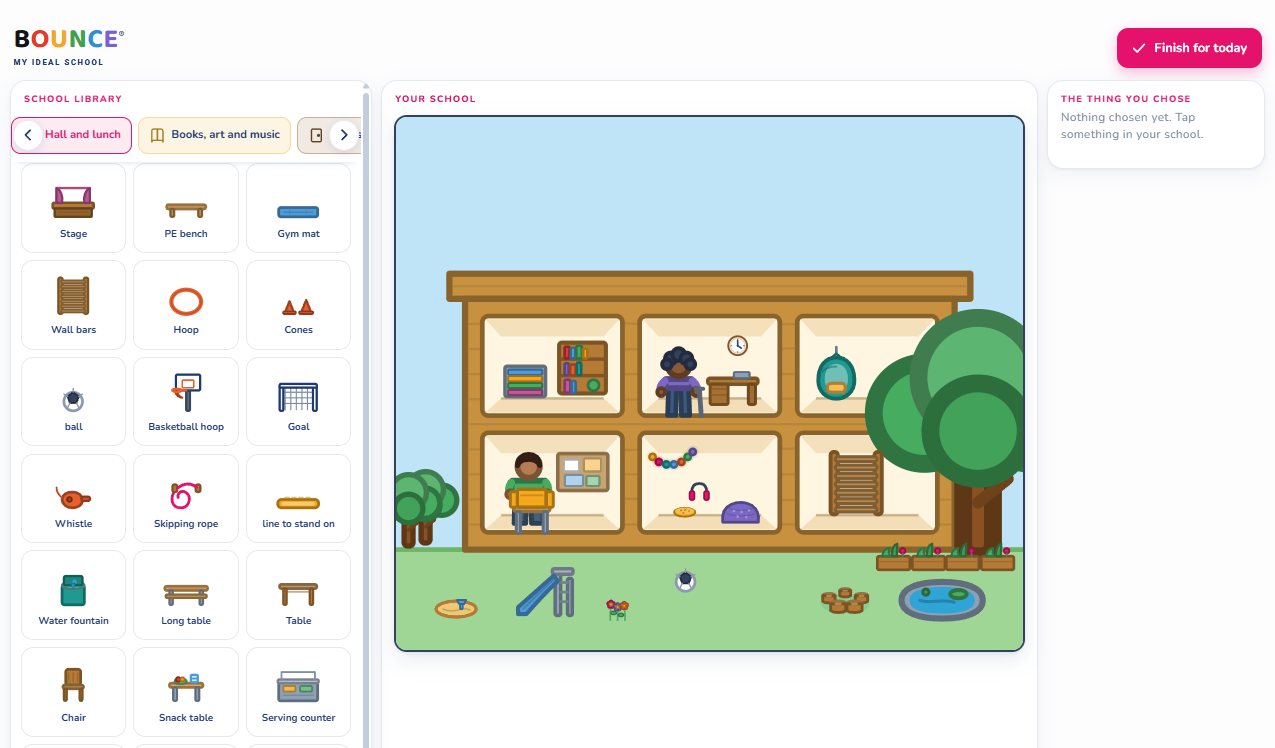
My Ideal School
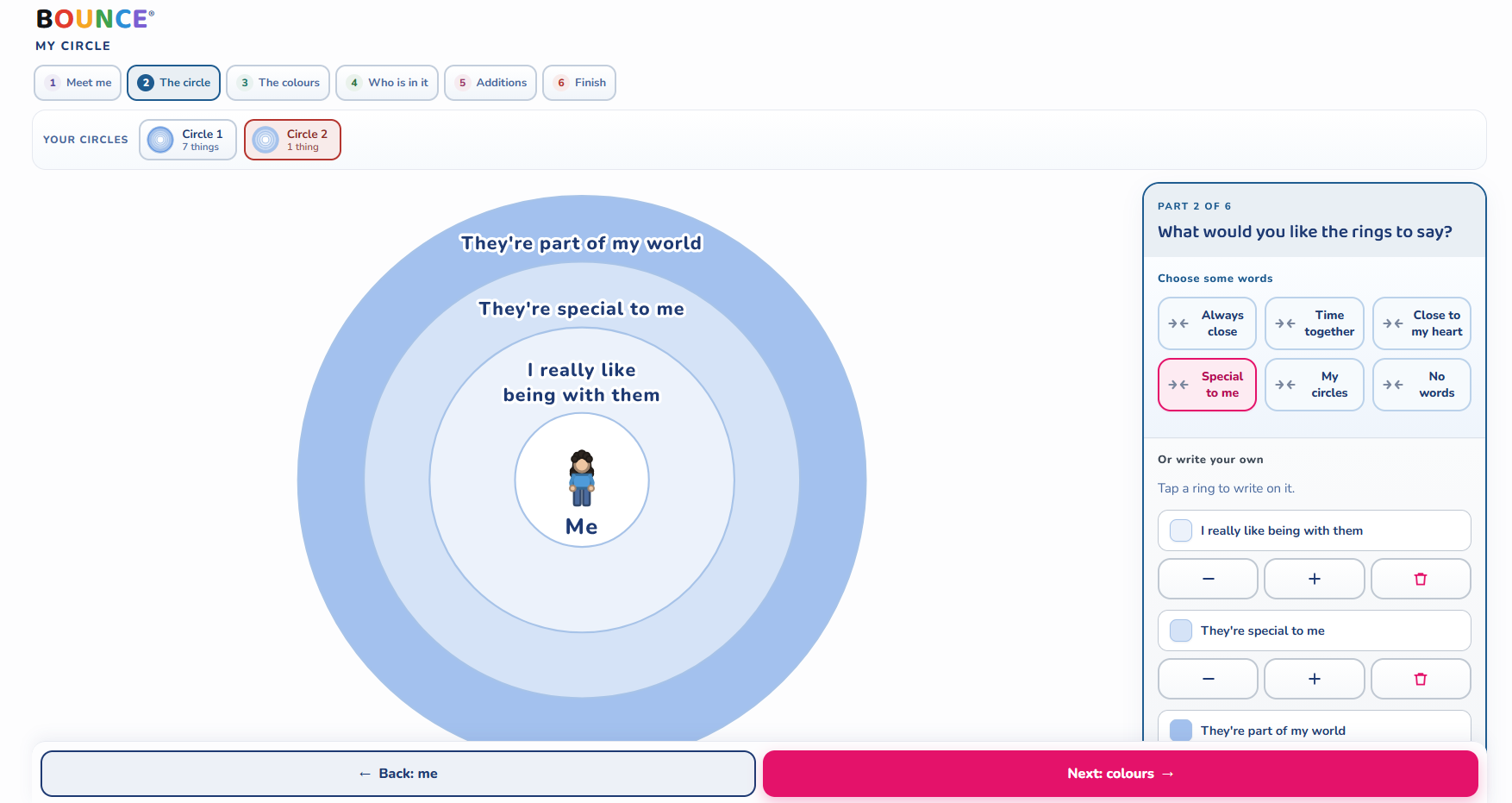
Circle of Trust

Comic Strip Conversations
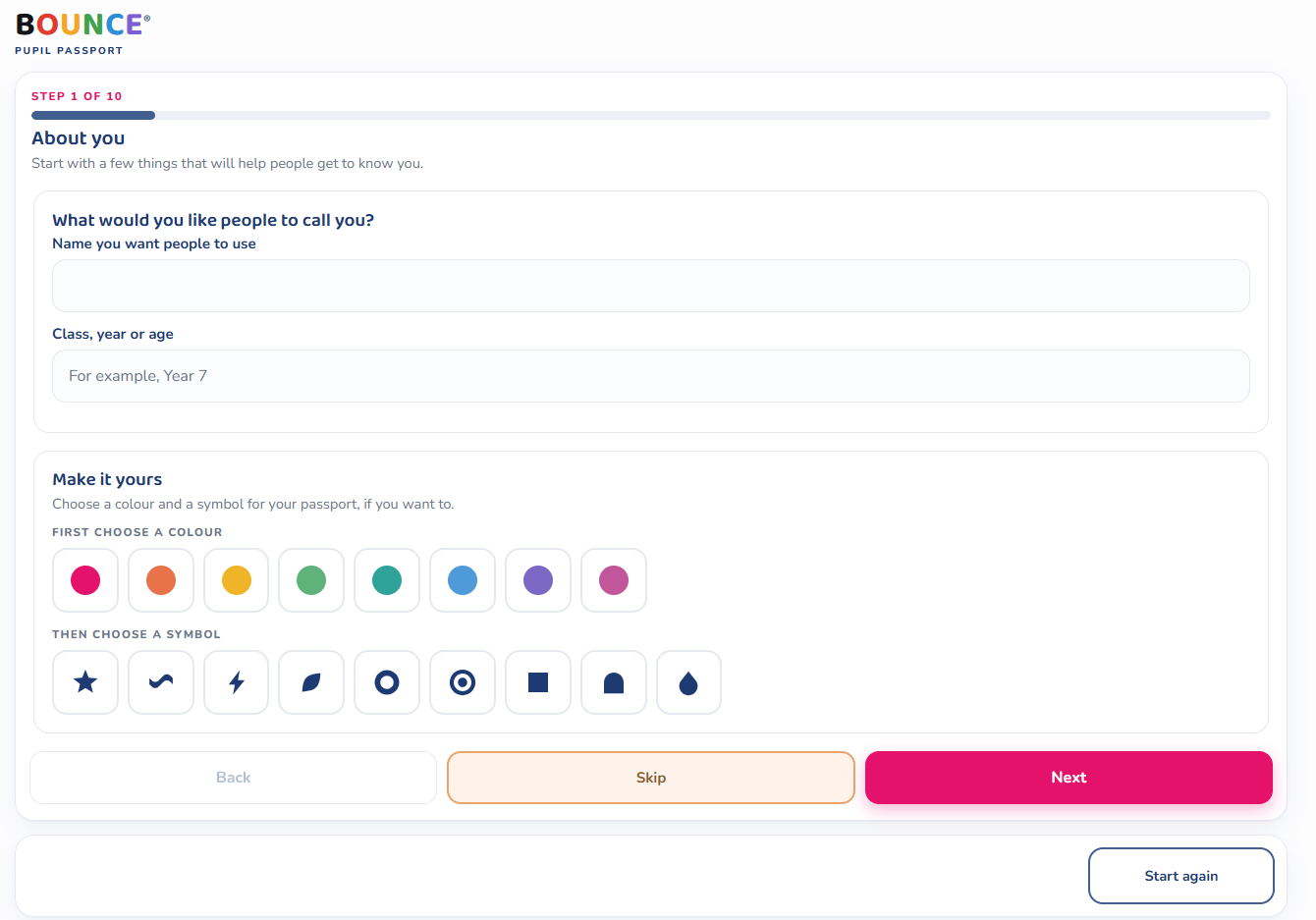
Pupil Passport
A TA can open it and start
Interactive tools you open on a screen and work through with a child. Nothing to laminate, nothing to prepare, nothing to buy.
The screen carries the session
Sitting side by side with something to look at takes the pressure off eye contact and off the child having to find the words first.
It lands inside a planned sequence
Tools sits within a BOUNCE PSHE Learning Journey, a whole year of planning, so it is part of a sequence the child is already following.
It ends with something to hand over
The Pupil Passport gathers what a child has shown you into one page, in their words, ready for a review or to travel with them at transition.
▶ Guides and training
Nobody is handed a tool and left to it
This is what makes it safe to hand to a teaching assistant. Every interactive tool has a guide behind it, short enough to read or watch before the session it is needed for.
✓
What the tool is for, and how to introduce it
✓
The questions to ask, and what to do when a child goes quiet
✓
An activity planner for each tool
✓
Full PSHE Learning Journey lesson plans for a class, a small group or a 1:1
Lesson plans included with Annual Membership
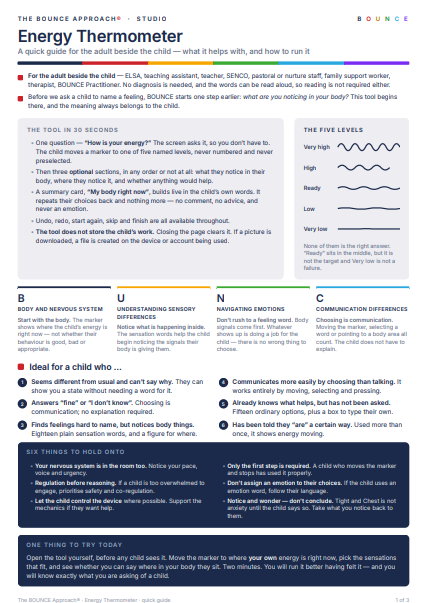
Anger Volcano
Sand Tray Stories
+ more added every week
What the child makes goes into the review, in their own terms.
Not a form they filled in because they had to. Something they showed you.
Testimonials
Trusted by professionals
From a five-year-old learning to regulate to an eighteen-year-old working out who they are.

★★★★★
Your workshops were a highlight of SEND Live 2025. The feedback from attendees has been overwhelmingly positive.
Lydia Martin
Senior SEND Project Officer
★★★★★
Child Therapy Service are so important in equipping us as professionals with a range of ideas and knowledge to support children and families who feel lost or in the dark.
Dr Claire Stubbs
Counselling Psychologist
★★★★★
My absolute go-to when working in a primary school. These resources have made a huge difference to our vulnerable children.
Debbie
Pastoral Lead
★★★★★
The whole package of intervention alongside appropriate impact measurement tools is an excellent way to evidence progress and impact.
Nathan
Professional
★★★★★
A highly effective and practical tool that benefits both pupils and classroom practice. Real impact on my work supporting pupils with ASN.
Chloe
Teacher, ASN
← Swipe to see more →
Whole-team access from 3 to 50 staff, family accounts included. No VAT to add. Invoicing and purchase orders welcome.