
Resources
Ready-to-use packs to explore together with a child or young person, one session at a time.
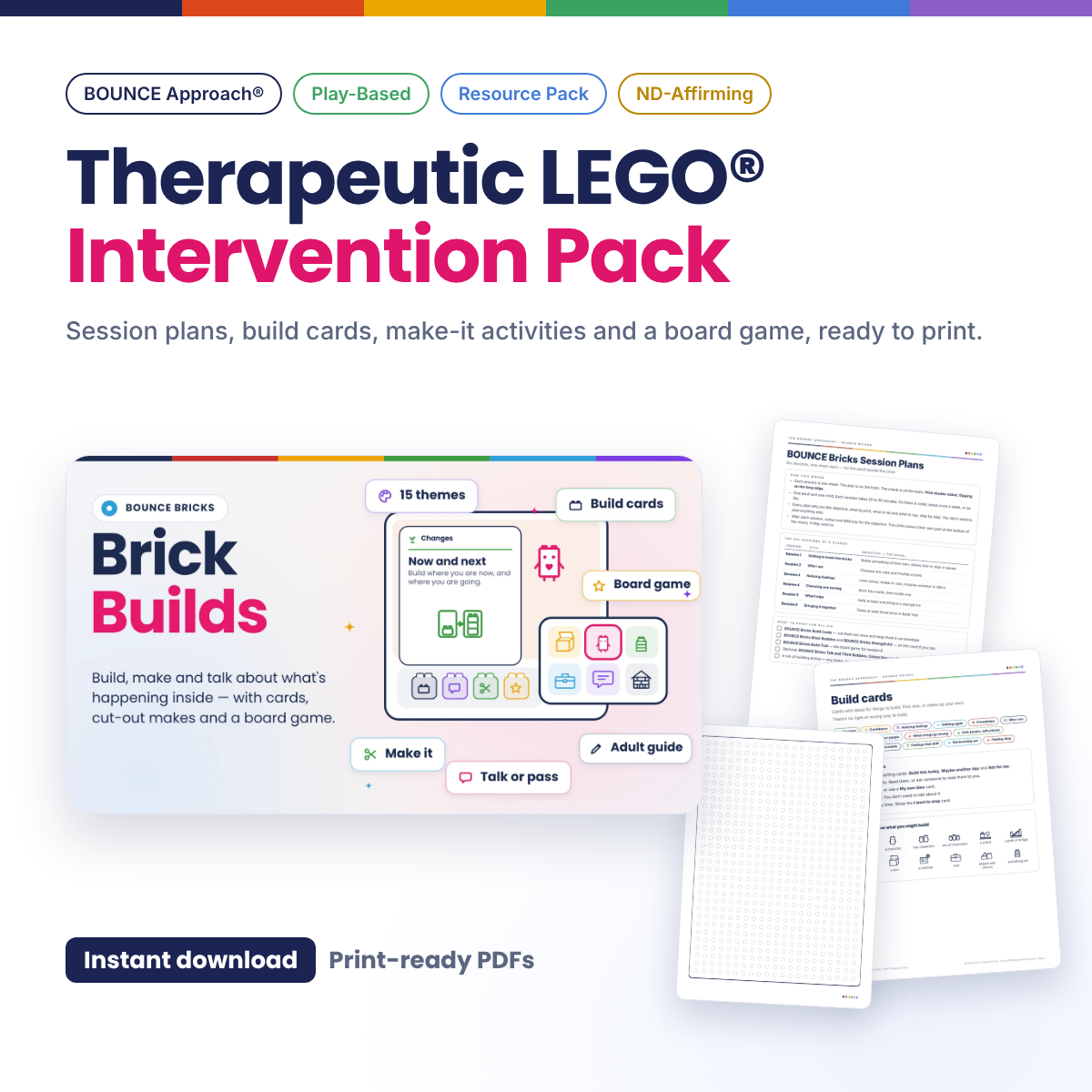
Therapeutic LEGO® Intervention Pack
Six ready-to-use therapeutic LEGO® sessions for social, emotional and mental health support, with build cards across 15 themes, make-it activities and a board game.
- Session plans and an adult guide
- Build cards, brick buddies, and talk and think bubbles
- Strength kit and the Build Trail board game
- Make-it extras: build dice, mats, a build book and more
Free for Annual and Team members, along with every refreshed pack as it lands. See membership
More packs to buy
Single packs to buy and download. More are coming back soon.

- A fold-up passport book in their own words
- 30 picture cards, 12 passport stamps and luggage tags

- Where a feeling is, and how big it feels, with or without words
- 5 body maps, 30 feeling faces in 3 sizes and an adult guide


51 more resources, for members only
Lesson plans, lesson slides, make-your-own tools and printable packs, all included with membership. Join to use them in the Learning Portal, with new resources added as they land.
PSHE Learning Journeys
A full year of PSHE lesson plans, for Annual members. The training comes first.

Make your own
Design cards, scales, timetables and displays to print.
 Members only
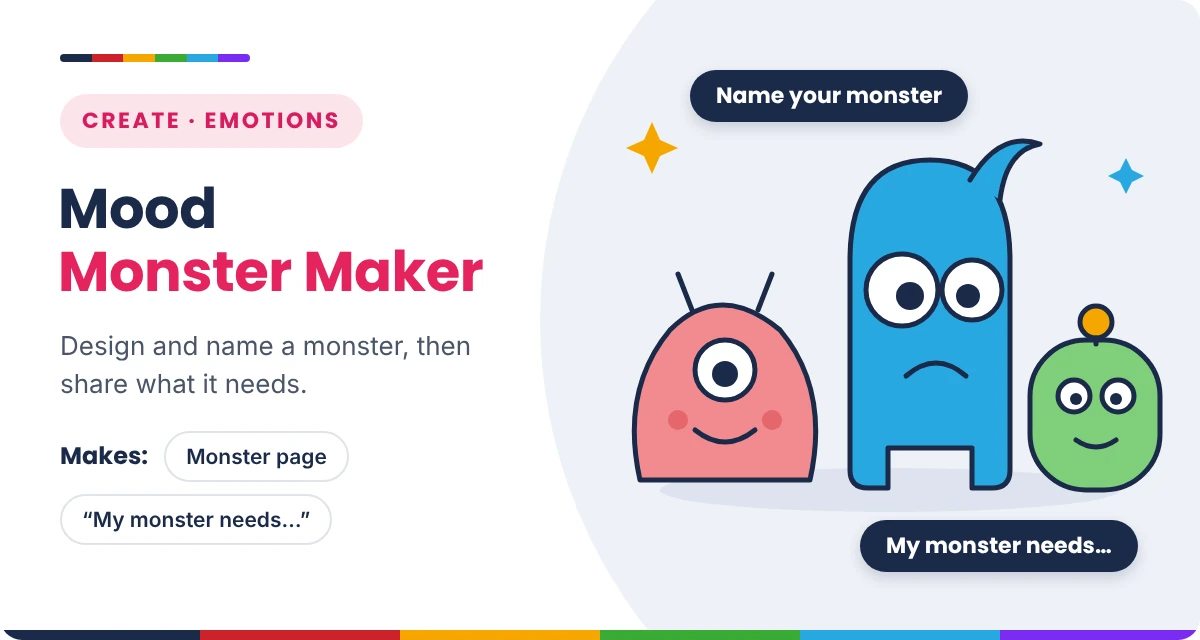
- Design and name a monster together
- Add what the monster needs and all about it
 Members only
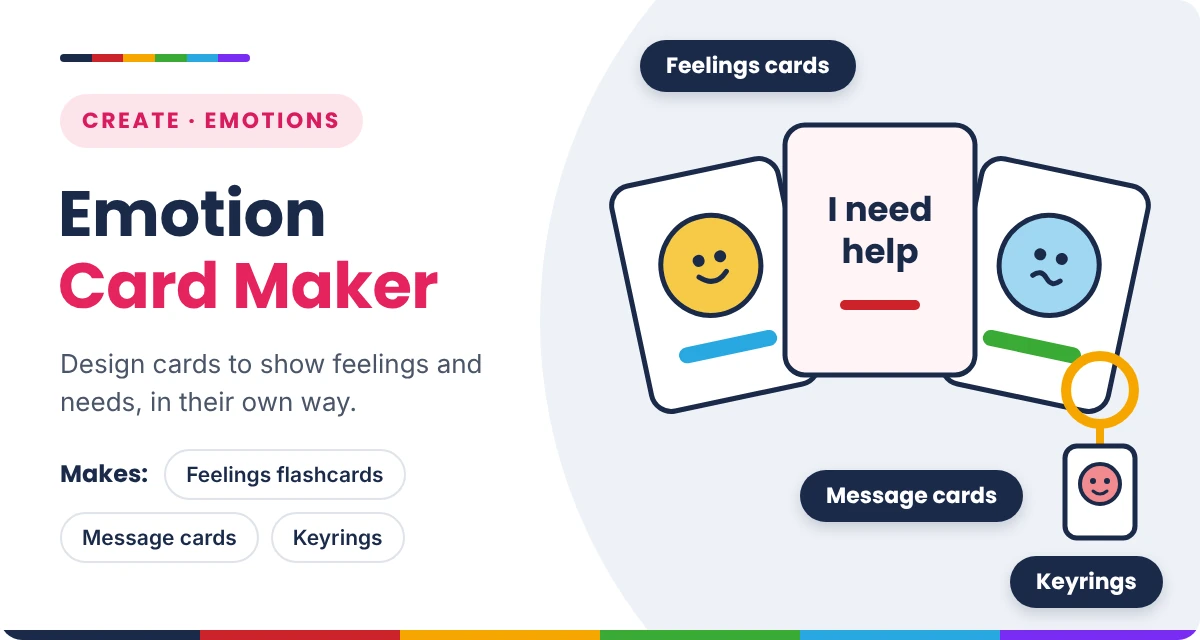
- Choose the characters, feelings and messages
- Make cards like “I need help” or “Please give me some space”
 Members only
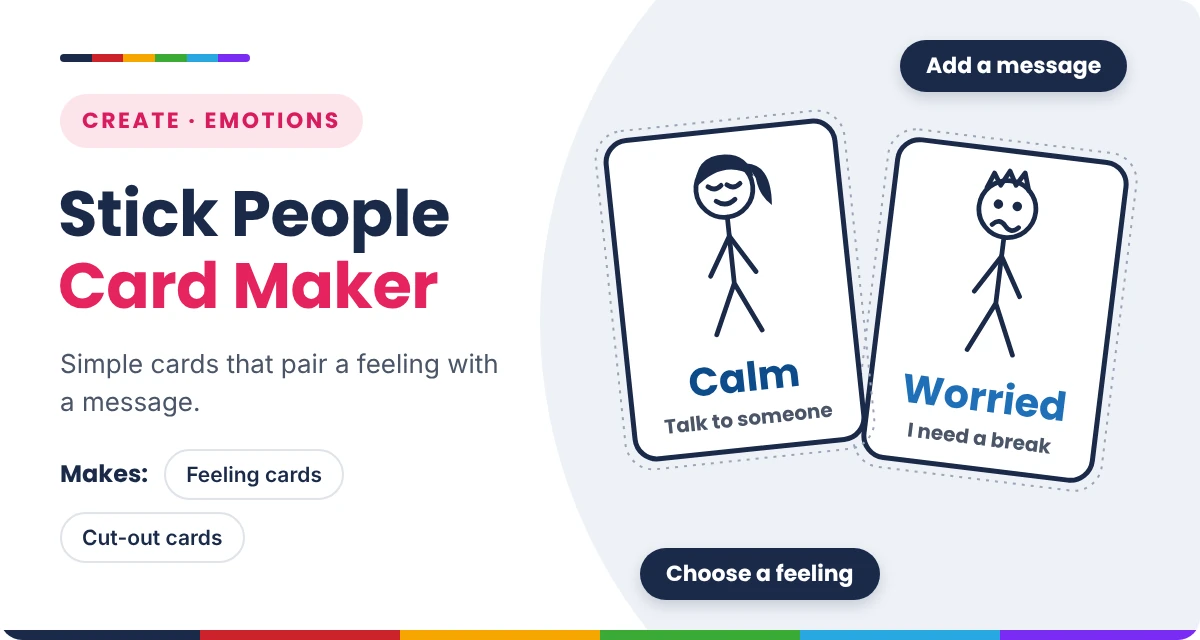
- Choose a stick person and a feeling
- Add a message, like “Talk to someone”
 Members only
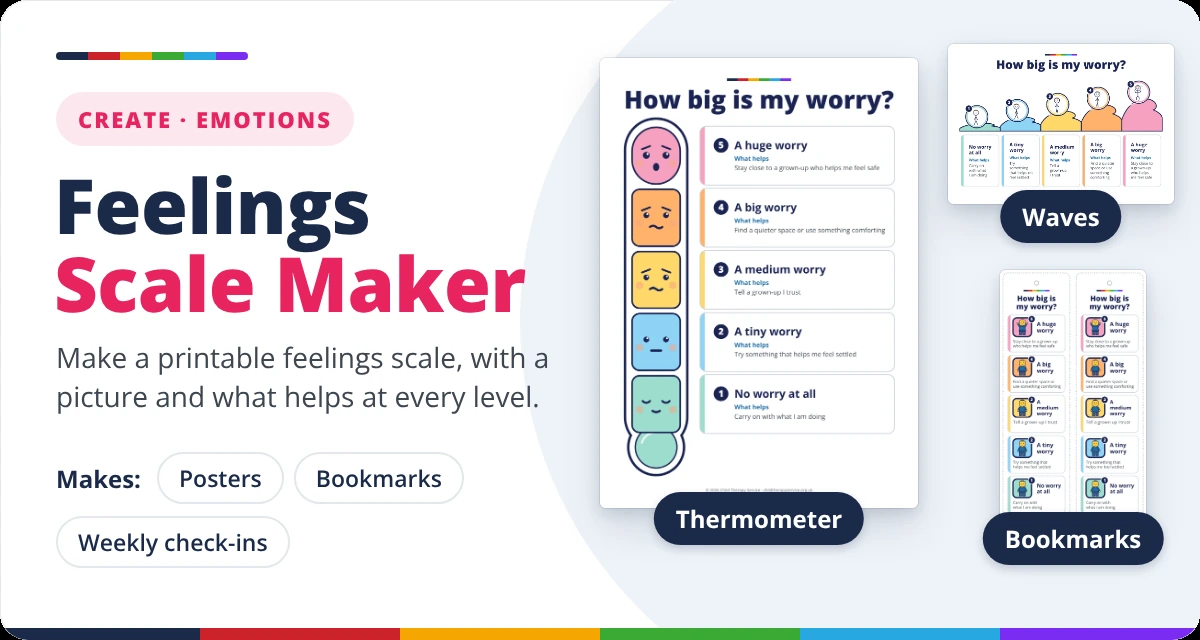
- Choose a thermometer or waves scale with 3, 4 or 5 levels
- Add a picture, words and what helps at each level
 Members only
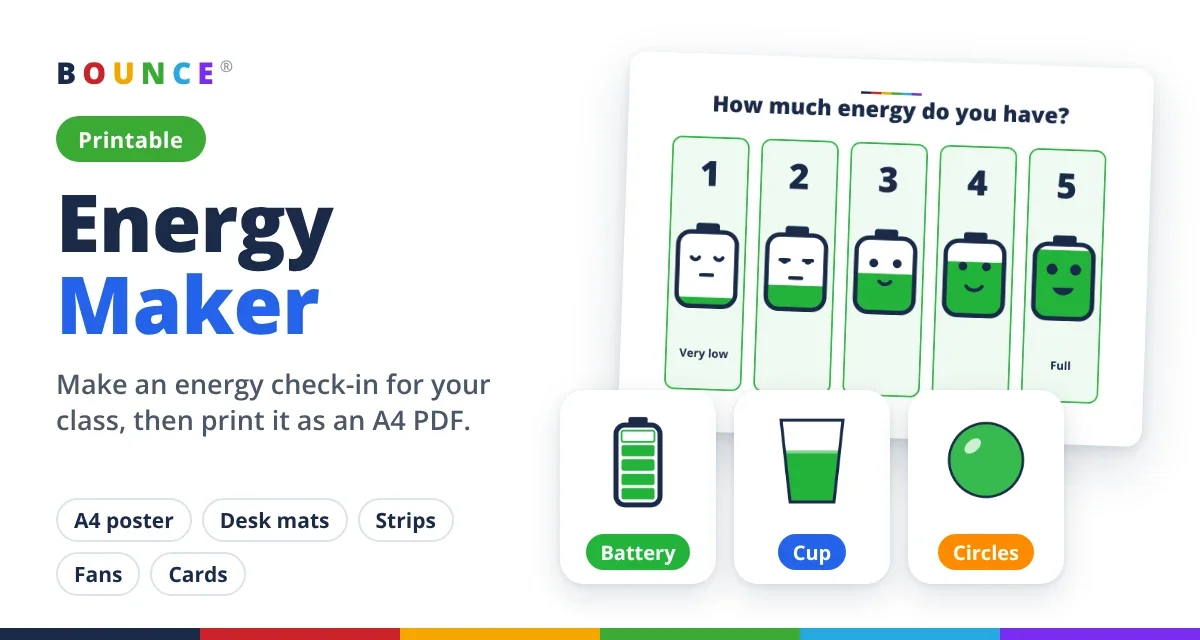
- Choose a battery, cup or circles
- Make an energy check-in for your class, then print it as an A4 PDF
 Members only
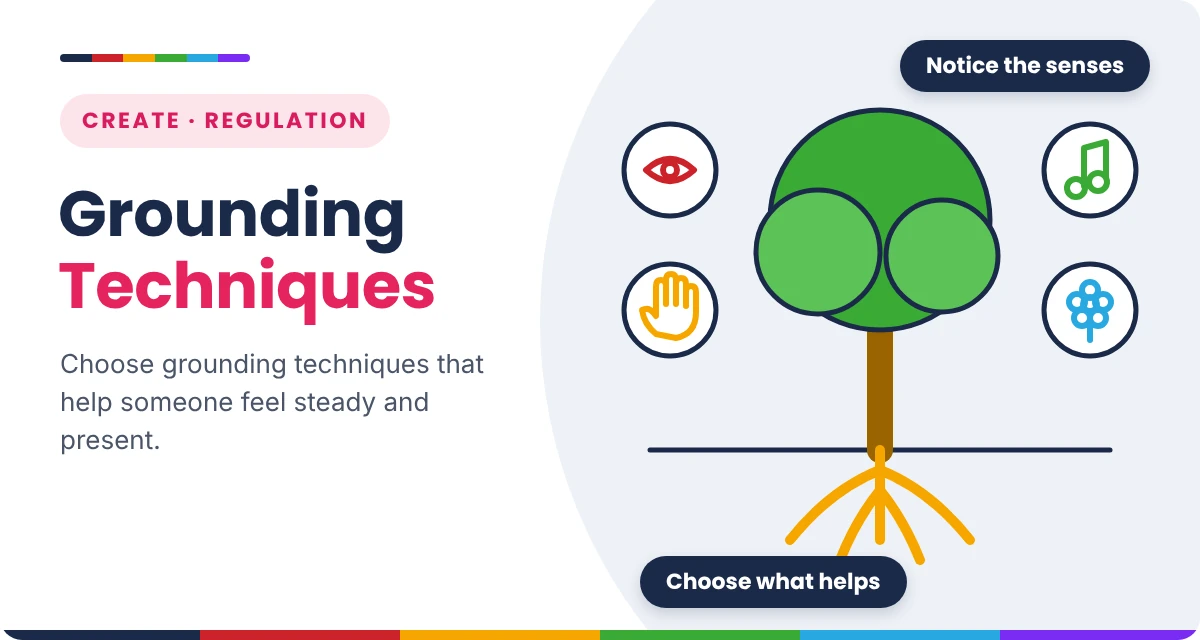
- Explore grounding techniques together
- Choose the ones that help
 Members only
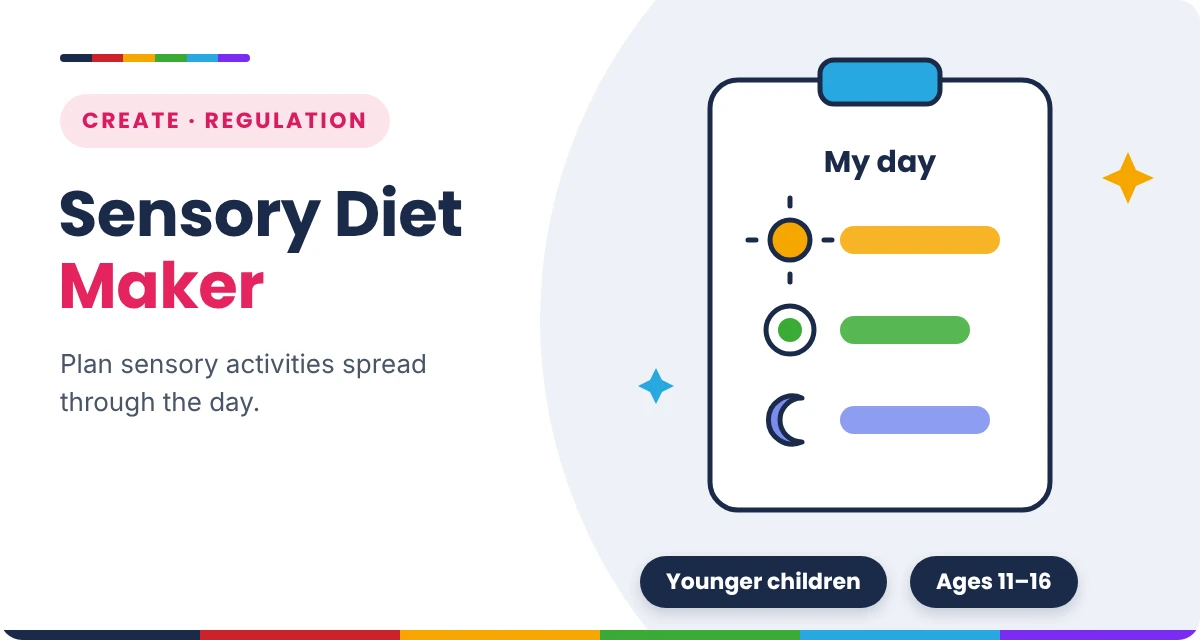
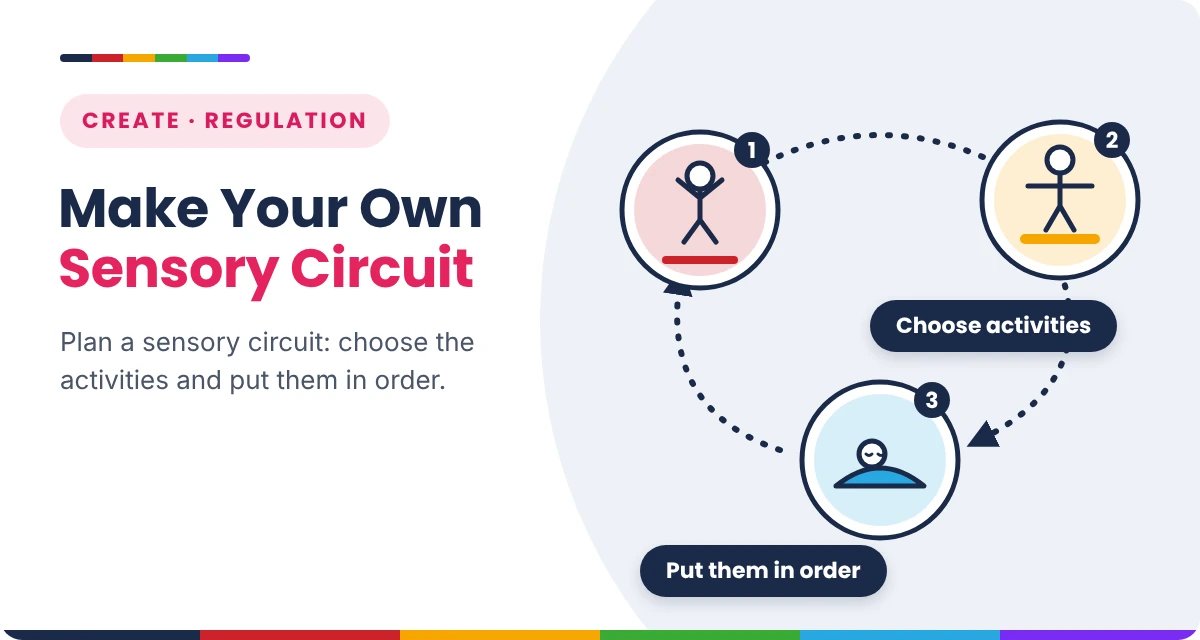
- Choose the sensory activities
- Plan when they happen in the day
 Members only
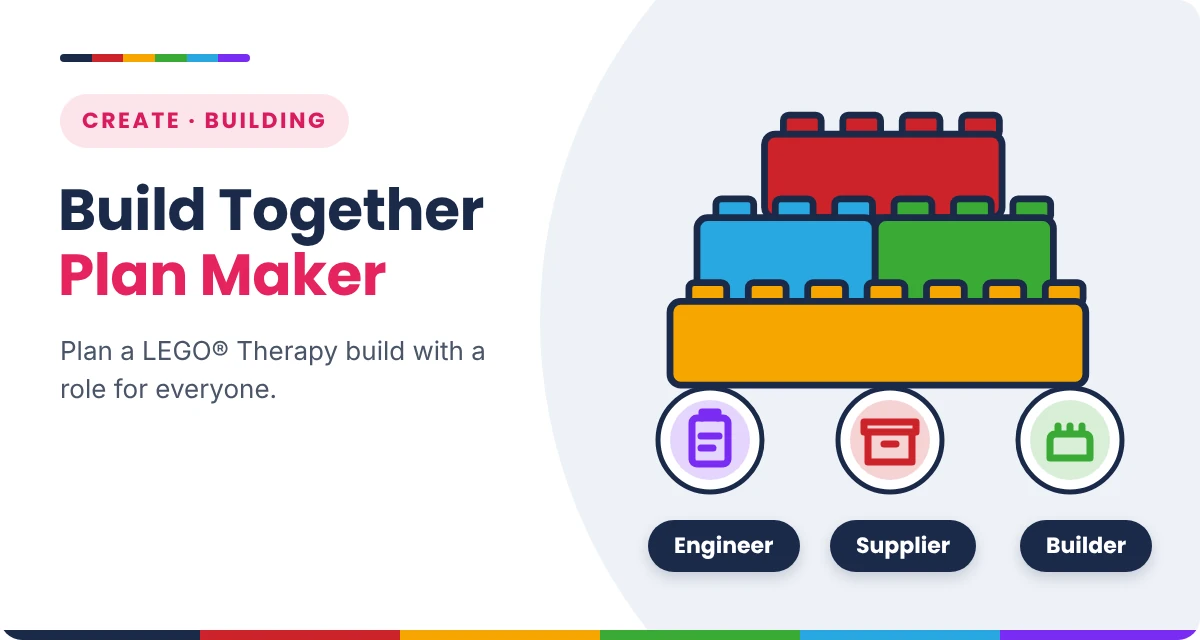
- Plan the LEGO® Therapy build
- Give everyone a role
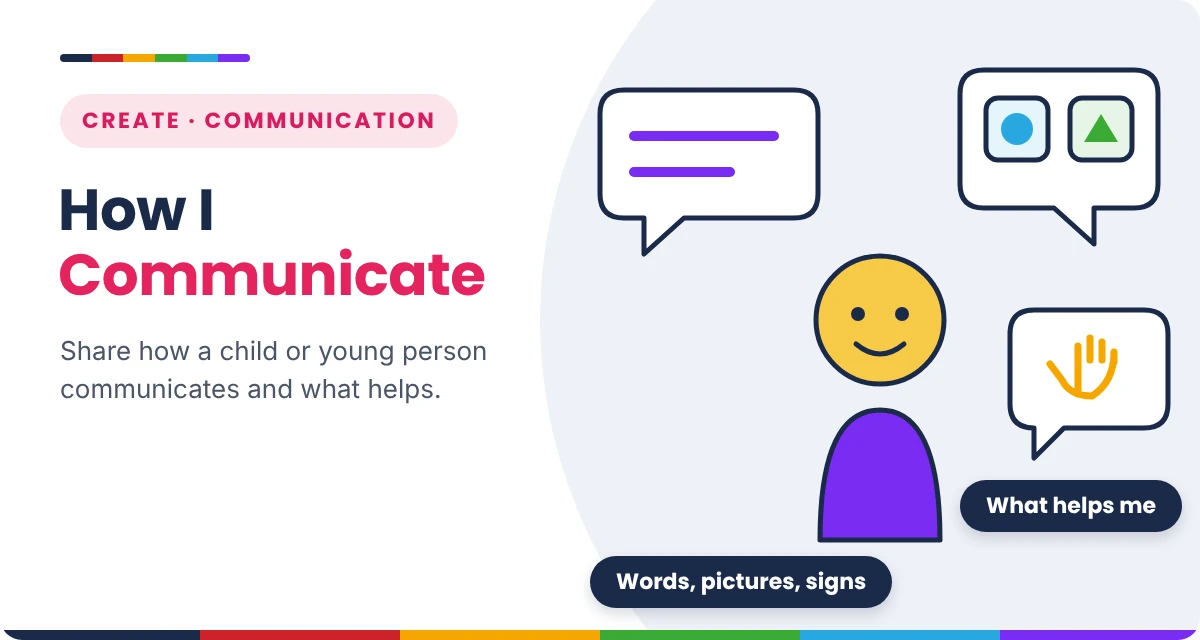 Members only
- Explore how they communicate
- Add what helps and what doesn’t
Neurodivergent-affirming
Understanding how each child or young person works best, in their own words.
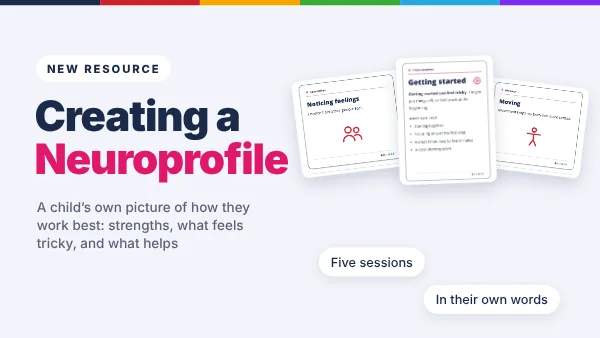 Members only
- Understanding how a child works best
- Agreeing helpful adjustments
- Understanding neurodivergence, from lived experience
- A checklist for a more affirming environment
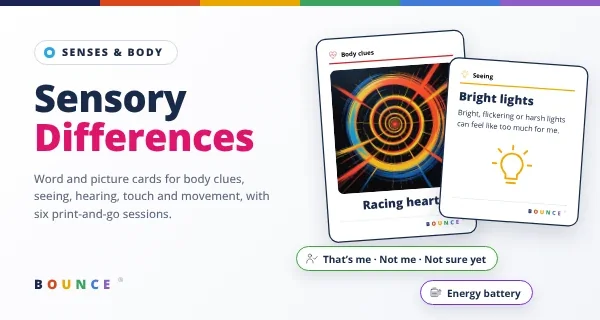 Members only
- Loud noises, touch or busy places
- Finding what helps their body
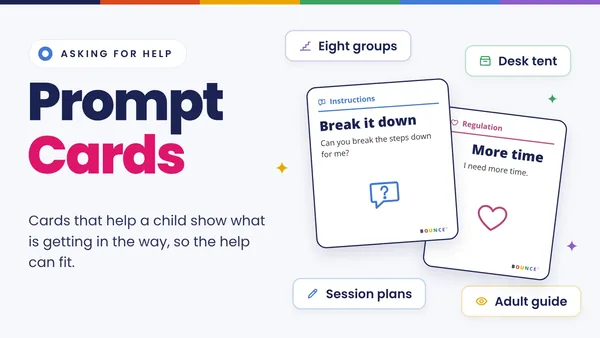
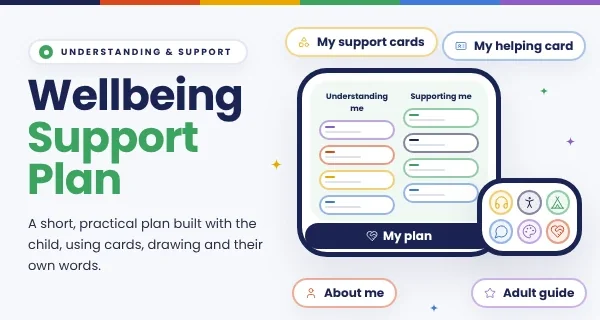
Body scans and body maps
Gentle ways to notice what the body is doing and where feelings show up.
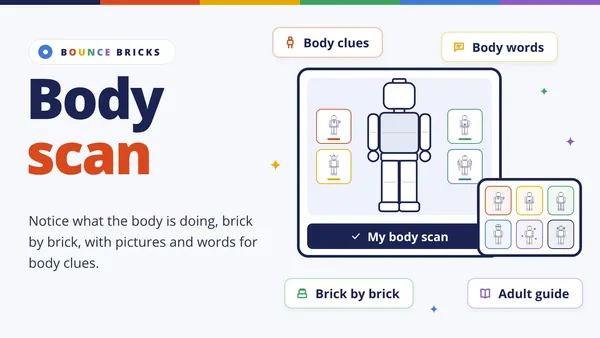
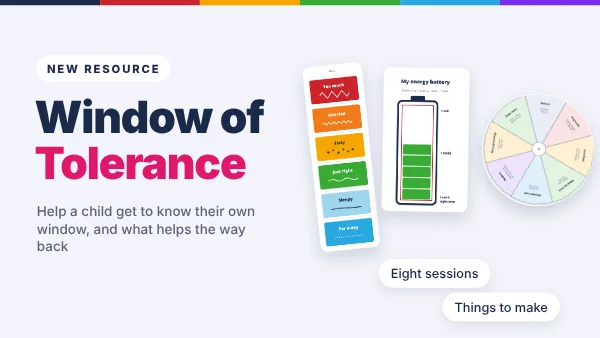
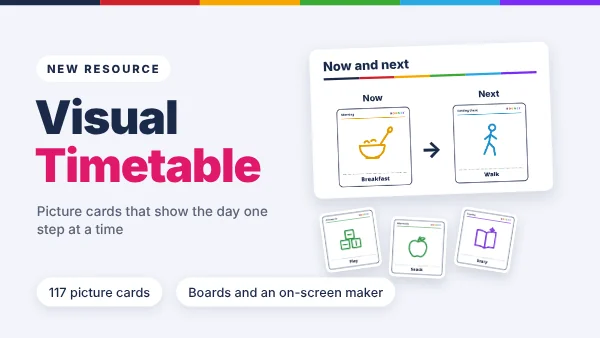
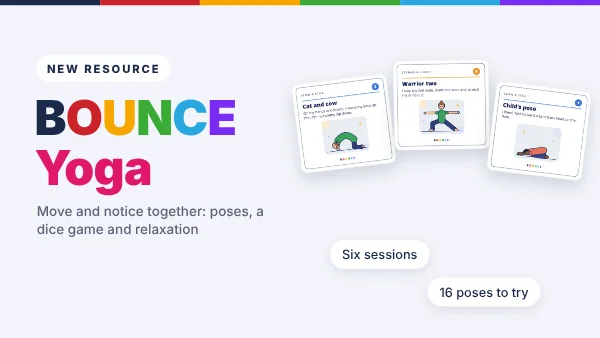
Calm, body and routines
Regulation, movement, the senses and making the day easier to see.
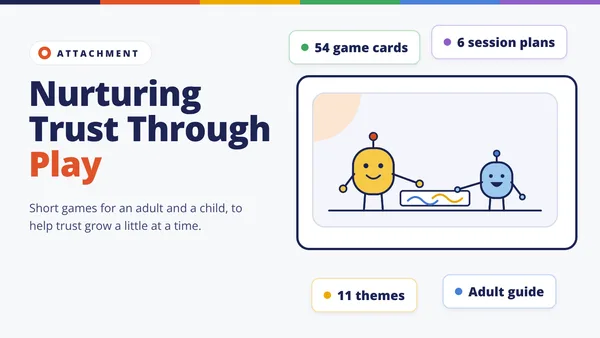
Attachment and trust
Feeling safe with people and places, one small game at a time.
Thoughts, feelings and self-worth
Gentle ways to notice and wonder.
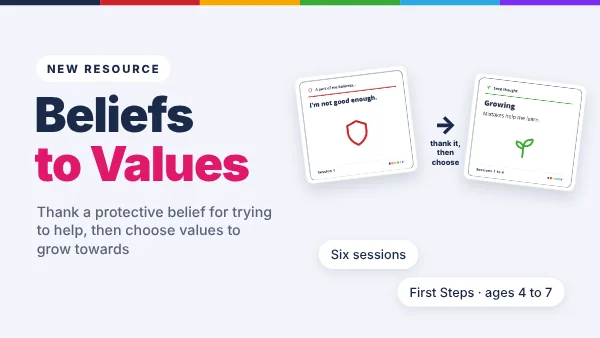 Members only
- Harsh “not good enough” thoughts
- Worry about getting things wrong
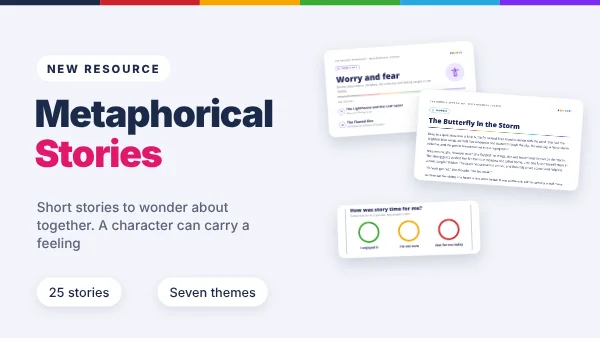 Members only
- Feelings that are hard to name
- Children who love stories
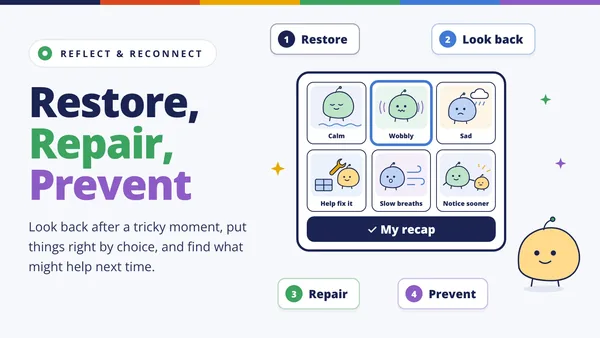 Members only
- Looking back after a tricky moment, together
- Putting things right by choice, and what might help next time
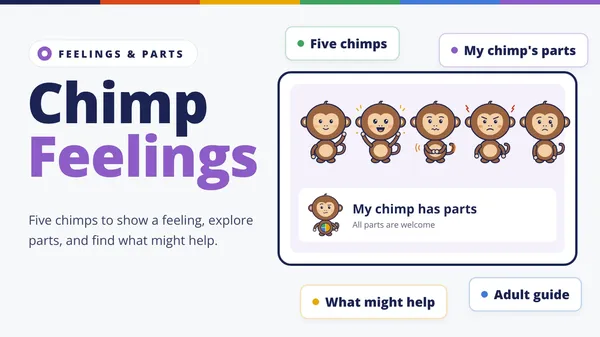 Members only
- Five chimps to show a feeling, explore parts and find what might help
- Mat, posters, faces, fans, I need cards and what might help cards
 Members only
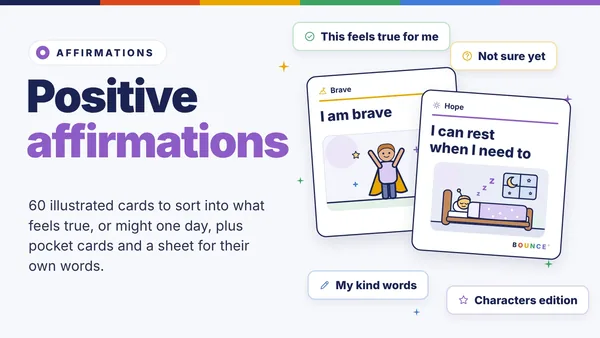
- 60 illustrated cards to sort into what feels true
- Pocket cards and a sheet for their own kind words
 Members only
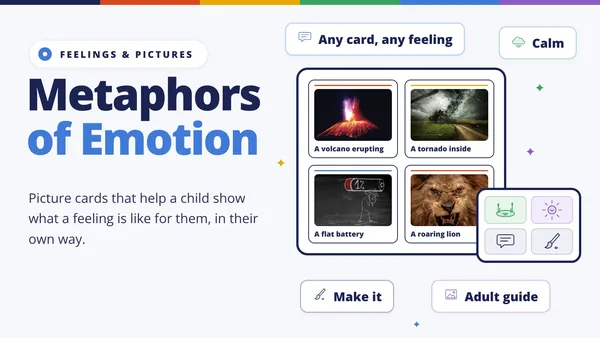
- Picture cards for what a feeling is like
- Any card, any feeling, in their own way
For children who love building and gaming
LEGO® style and MINECRAFT style packs.
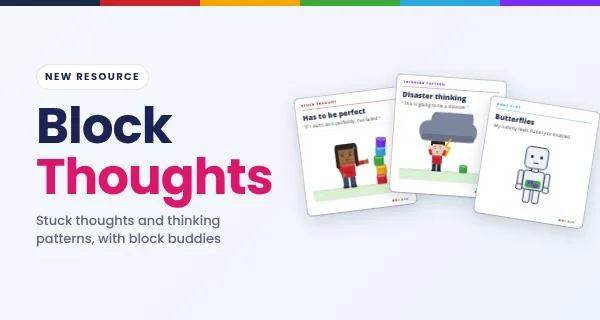 Members only
- Thoughts that get stuck
- Children who love Minecraft
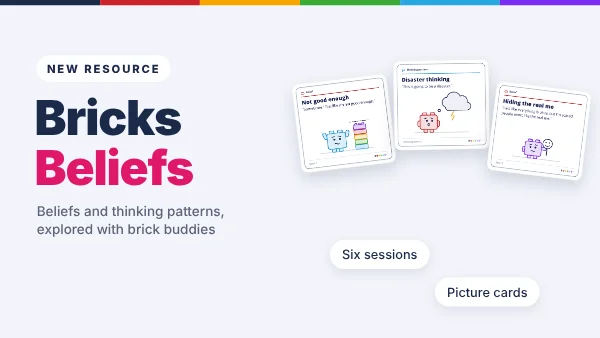 Members only
- Worrying or “not good enough” thoughts
- Children who love building
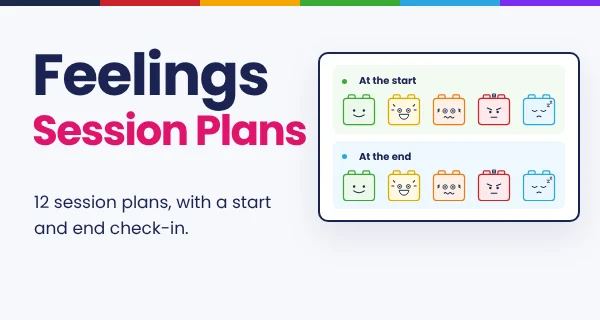 Members only
- Building who I am, in a small group
- Children who love building
Lesson slides
Ready-made slides to present in sessions and classrooms.
 Members only
- Gives children and young people words for what their body is telling them
- Helps them notice early signs and choose what helps sooner
 Members only
- Builds calm, connection and trust through gentle, predictable touch
- A settling way to start or end a session or the day
 Members only
- Helps you understand why some sounds, sights or textures feel too much or not enough
- Gives ideas for small changes that make the day feel easier
 Members only
- Uses movement and breathing to help bodies settle and focus
- Easy to lead with a group, with no experience needed
 Members only
- Explains big feelings in a way that carries no shame or blame
- Helps children and young people find what calms things down
 Members only
- Helps children and young people see their strengths and who is on their side
- Builds confidence and a sense of belonging
 Members only
- Lets children and young people explore hard feelings at a safe distance
- Opens conversations that can feel too tricky to have directly
 Members only
- Makes thoughts and beliefs something you can see and build
- Helps notice unhelpful thinking and build kinder alternatives
Planning and review
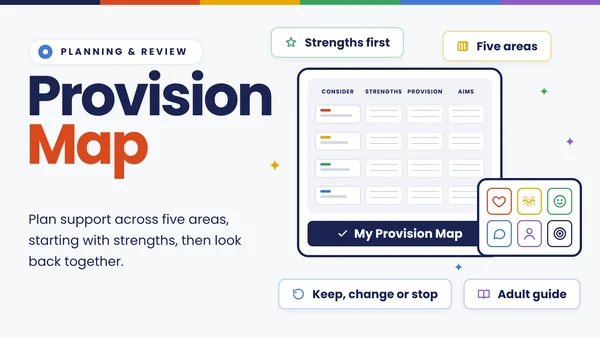
Plan support together, starting with strengths, then look back together.
Assessment tools
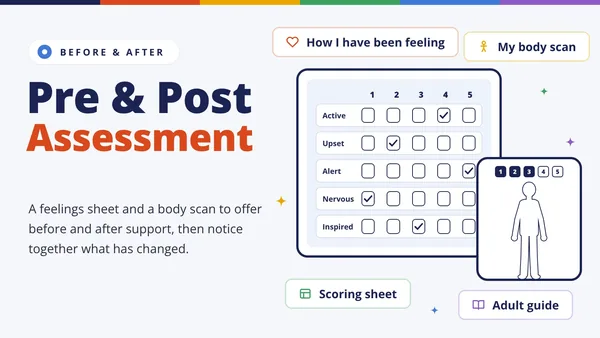
A quick, gentle check of how a child or young person is doing, before and after support.
- A quick picture of how a child has been feeling
- A first and second check, before and after support
- A quick check of how a young person feels about themselves
- Track changes in self-esteem over time