Conflict with peers
Using The BOUNCE Approach®
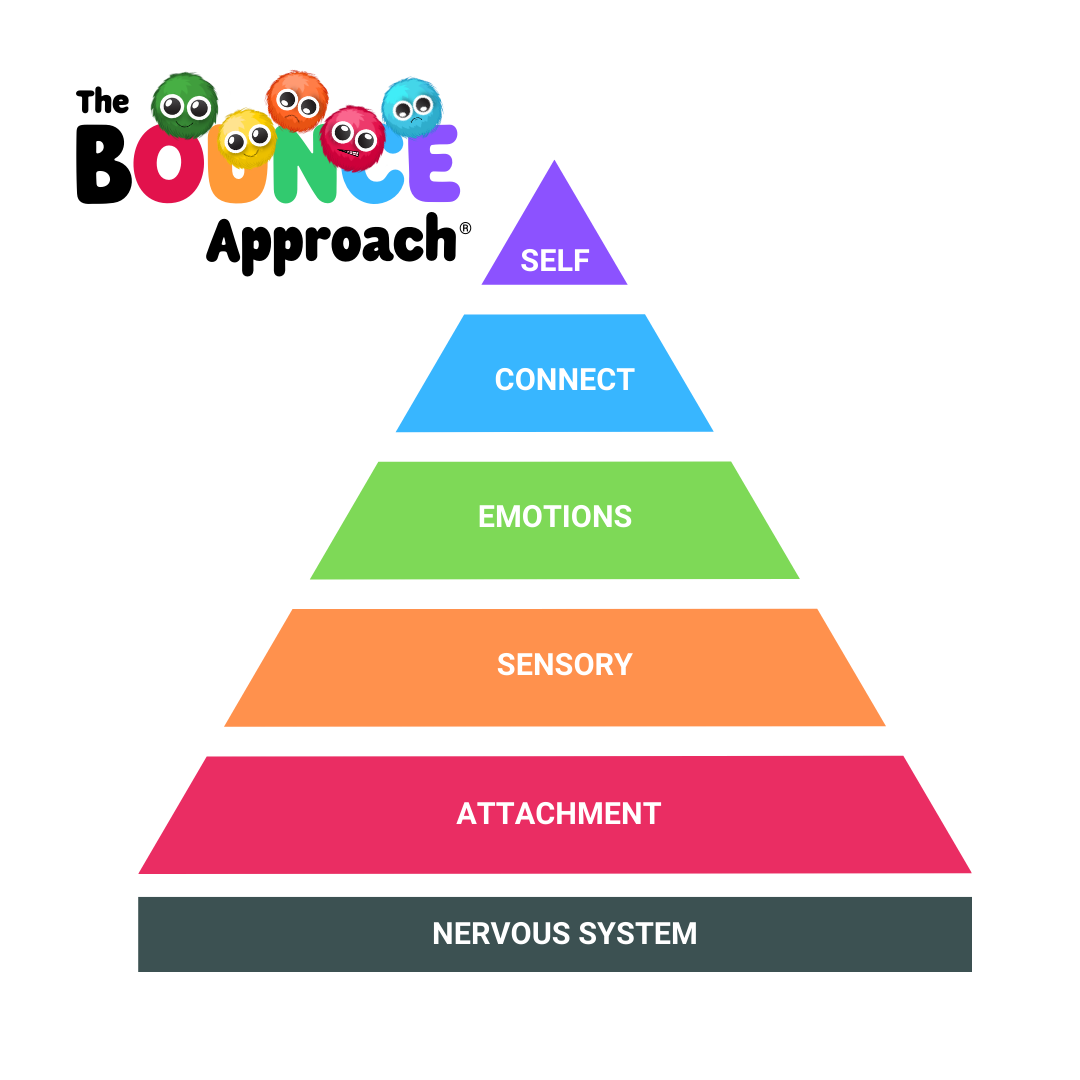
About The BOUNCE Approach®
The BOUNCE Approach® supports children’s social, emotional, and mental health using evidence-based research, therapy models, and practical tools.
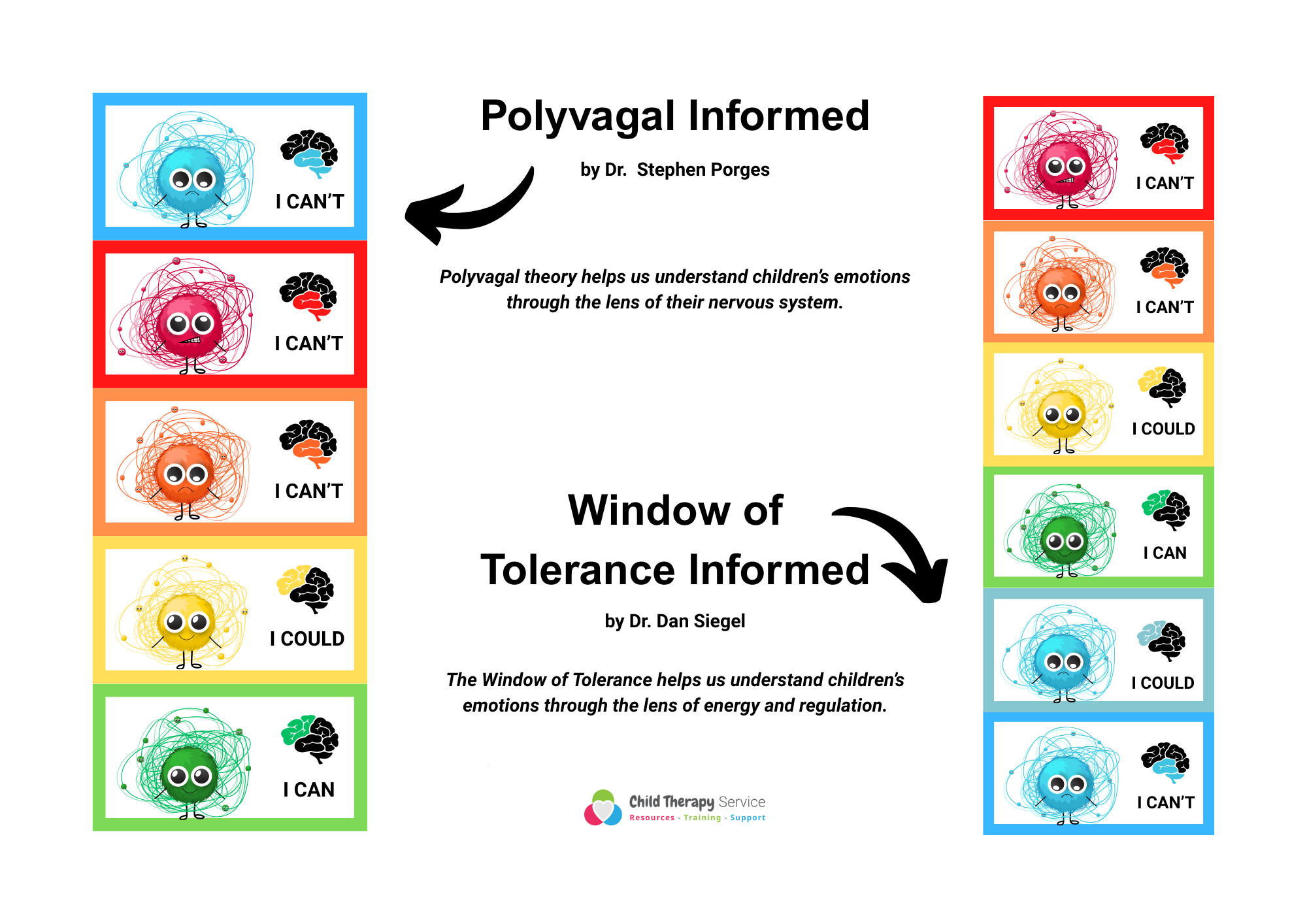
- Polyvagal Theory — helps us understand emotions through the lens of the nervous system (safety, danger, shutdown).
- Window of Tolerance — helps us see emotions through the lens of energy and arousal (too high, too low, or “just right”).
Together:
- Polyvagal = why the nervous system responds the way it does.
- Window of Tolerance = what level of energy/arousal the child has available.
The goal is not to “stay green” all the time — it’s to build self-awareness and a felt sense of safety.
Once we know where the child is, we can put the right supports in place:
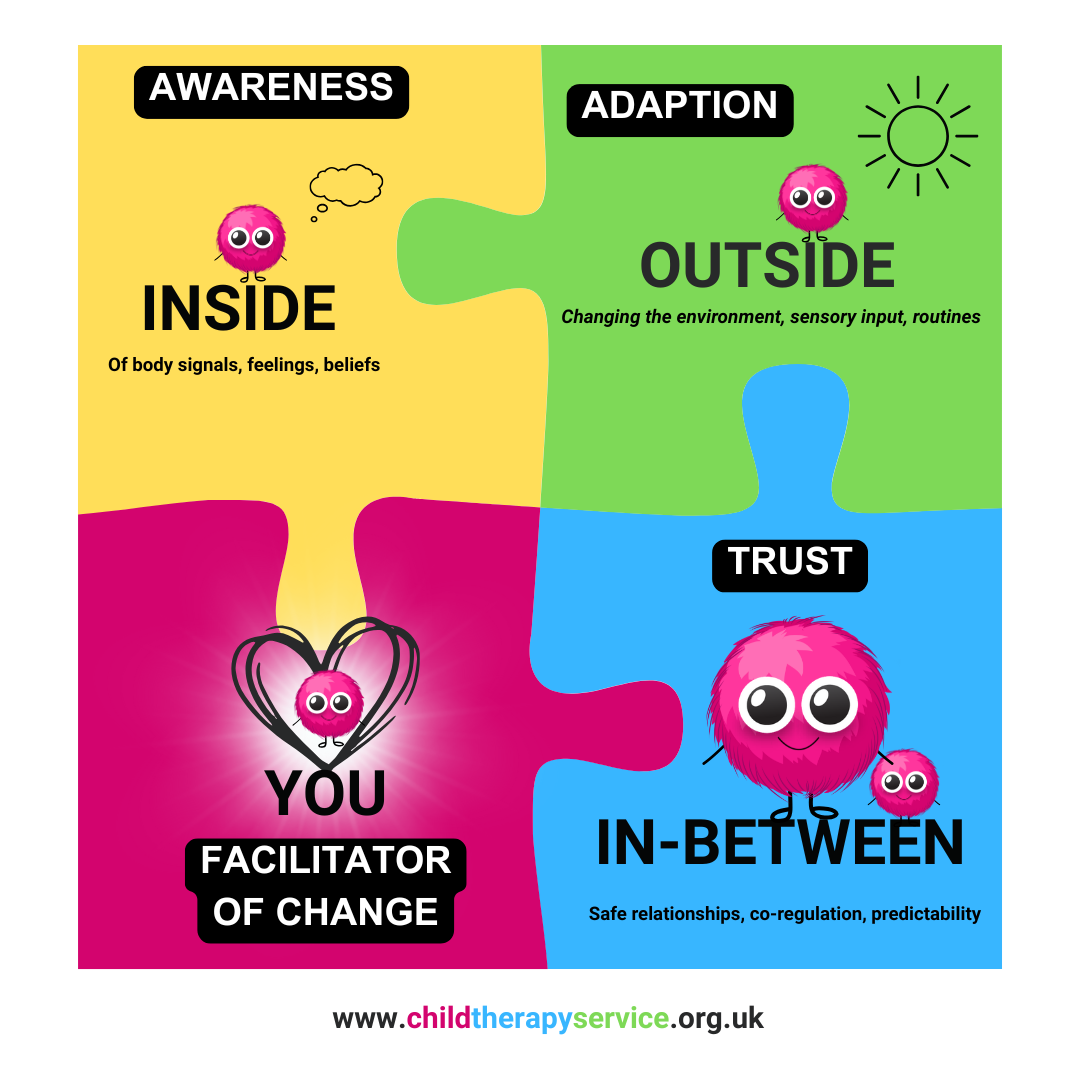
- Inside — what happens within the child’s body and mind (breath, sensations, beliefs).
- Outside — the environment and sensory world around them (noise, light, textures, routines, spaces).
- In-Between — relationships and co-regulation with others (connection, tone of voice, predictability, repair).
- You — the adult, whose regulation and presence are the foundation that makes all the other tools work.
What’s happening
- Conflict often happens when one or more children are outside their Window of Tolerance, limiting their ability to problem-solve, empathise, or communicate clearly.
- Protective states can lead to raised voices, blaming, physical aggression, or withdrawal.
- Energy battery impact: Conflict rapidly drains capacity, making repair harder without regulation first.
The BOUNCE Approach®
🖤 B — Body and Nervous System (Inside Tool)
- Pause the interaction; give each child a moment to regulate physically before talking.
- Offer grounding movement (walking, wall push-ups) or sensory tools to release tension.
❤️ O — Openness to Connection and Attachment (In-Between Tool)
- Keep tone calm and non-judgemental to signal safety.
- Let each child know the relationship can be repaired.
🧡 U — Understanding Sensory Differences (Outside Tool)
- Check for sensory triggers (noise, crowding, proximity).
- Adjust the environment before revisiting the conversation.
💚 N — Navigating Emotions (Inside Tool)
- Invite parts language: “A part of you felt angry when…”
- Use the colour system to notice emotional state before problem-solving.
- If still dysregulated, delay discussion until both are calmer.
💙 C — Connection to Self and Others (In-Between Tool)
- Use “I” statements to help each child share feelings without blame.
- Practise active listening — repeating back what the other person said.
💜 E — Esteem and Identity (Inside Tool)
- Recognise effort in listening, calming down, or attempting to repair.
- Reinforce the idea that conflict is a normal part of relationships and can be resolved safely.
Adult Focus:
- Don’t rush resolution — regulation must come first.
- Model respectful communication and repair.
- Support children in practising problem-solving during calm moments, not just after incidents.
Next Steps
Explore further learning:
- Solution Circles — a simple, structured way to help children work together to solve problems and restore connection.
- Restorative Justice in School — strategies for repairing relationships after disagreements or harm.
- Using NLP and PACE techniques — practical communication skills to reduce conflict and help children feel understood.
- Theory of Mind — approaches to help children recognise and consider other people’s perspectives.
Join the Learning Portal: Get instant access to 50+ practical trainings, printable resources, and interventions to strengthen emotional regulation, communication skills, and relationship repair in both home and school settings.