Many children who are struggling aren’t lacking effort – they’re lacking access.
When things feel overwhelming, confusing, or too much, the nervous system shifts out of a place where thinking, trying, and learning are possible.
Over time, that can look like:
“I can’t do this.”
“I’m not good at this.”
But underneath that isn’t failure – it’s a child whose system isn’t yet feeling safe, settled, or supported enough to engage.
The Neuroprofile starts there.
Not “What’s Wrong” – but “What Do You Need to Feel Able?”
Creating a Neuroprofile helps a child explore how they experience the world – what supports them to feel calm, connected, and ready, and what makes things feel harder.
It’s built with the child, not about them.
Because when we understand a child’s patterns – their sensory needs, their regulation, their ways of connecting – we can begin to create the conditions where they can access what they’re already capable of.
What It Looks Like in Practice
There’s no pressure, no right answers, and no demand to explain.
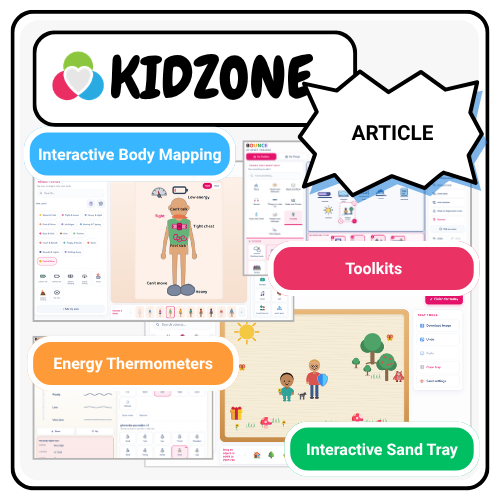
Children might sort, draw, build, or talk – whatever feels most natural. The adult stays alongside, creating safety and noticing what helps.
This is not about assessment.
It’s about understanding.
The outcome is a shared profile – something that supports consistency across home and school, and helps adults respond in ways that reduce overwhelm and increase access over time.
Who It’s For
Anyone supporting a child – in school, at home, or in a therapeutic role.
No specialist knowledge needed. Just a willingness to notice, adjust, and support the child’s way of being.
One More Thing
If you’re exploring the Understanding and Supporting ADHD Children/Young People training, the Neuroprofile is included within that.
Or, if you’d like to start here, the resource is available as a standalone download.