Strengthening SEMH Provision in Alternative Provision
Supporting staff, supporting young people, and making progress possible
Alternative Provision is built on relationships. It always has been.
The children and young people who arrive in AP settings often come with experiences of overwhelm, unmet needs, disrupted learning, or feeling misunderstood for a long time. What they need first isn’t pressure – it’s safety, consistency, and adults who understand how emotions, behaviour, and learning are connected.
On 12th December 2025, the government announced changes to how SEND support will be organised and funded. More support is expected to happen locally, within existing settings. More specialist spaces. More children supported closer to home. And more responsibility placed on the adults already working in schools and AP.
For many Alternative Provisions, this doesn’t feel new – it simply reflects what you are already doing every day. What is changing is the level of expectation placed on staff knowledge, confidence, and consistency.
At the Child Therapy Service, we work closely with APs across the UK. This is what we hear – and how the Learning Portal helps.
“Our staff care deeply – but they come with very different levels of experience.”
This is one of the biggest pressures AP leaders describe. Staff are committed and compassionate, but they arrive with different backgrounds, different training, and different ways of understanding behaviour and emotional need.
The Learning Portal supports teams by offering on-demand training that is clearly neurodivergent-affirming and relational, not behaviourist or punitive. It focuses on emotional development, sensory differences, and nervous system safety – giving staff a shared way of understanding what’s happening for a child beneath the surface.
This makes day-to-day interactions calmer, more predictable, and more supportive – for staff and for pupils.
“Talking about feelings doesn’t work for many of our young people.”
AP staff tell us this again and again.
Worksheets don’t always work.
Talking things through can feel overwhelming.
Some young people simply don’t have the words – yet.
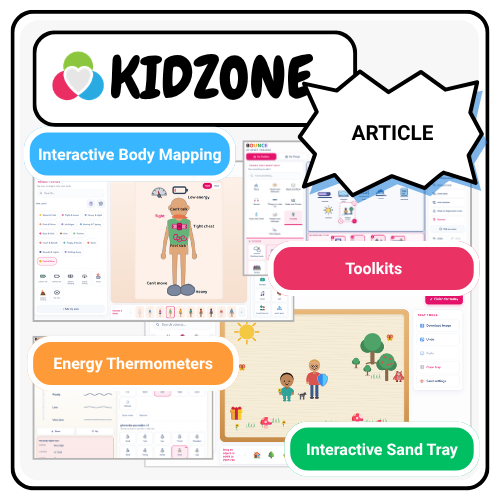
That’s why the Learning Portal focuses on creative, hands-on emotional learning, rather than talk-heavy approaches. Resources such as Play-Doh Feelings, LEGO Feelings, sand tray work, drawing and expressive arts, sensory circuits, story massage, and grounding activities allow emotions to be explored through doing, creating, and noticing.
These approaches feel safer. They reduce pressure. And they allow emotions to be experienced and validated without needing to explain them first.
“We’re creating calmer spaces – but staff aren’t always sure how to use them well.”
Many Alternative Provisions now have calm rooms, breakout spaces, or small-group areas. These spaces are important – but the challenge isn’t the room itself, it’s knowing what to do in it.
Without clear guidance, these spaces can quickly become:
- places children are sent when things go wrong
- quiet rooms without purpose
- holding spaces rather than learning spaces
The Learning Portal supports staff to use these environments intentionally.
Inside the Portal are clear, step-by-step emotional learning activities that staff can run in calm rooms and breakout spaces, such as:
- regulation and grounding activities
- sensory-based emotional learning
- creative, non-verbal ways to explore feelings
- co-regulation and calming routines
- activities that help children reset and rejoin learning
This helps staff support regulation, emotional understanding, and reconnection – rather than simply removing a child from class.
It turns calm rooms into places where children learn how to regulate, not places where they are sent to “calm down”.
“We need clarity around EHCP provision.”
EHCPs are a big part of life in AP, and they can feel overwhelming – especially when plans are written in ways that don’t easily translate into daily practice.
The Learning Portal includes an EHCP Provision Mapping Tool that helps staff understand what emotional and sensory support looks like in real terms. Needs are framed in a neurodivergent-affirming way, with practical ideas staff can use straight away and language that aligns with Section F.
This helps teams feel more confident – and more consistent – in what they put in place.
“We’re expected to evidence progress.”
AP leaders often say this with frustration. Emotional growth doesn’t always show up as immediate behaviour change.
The Learning Portal includes simple, meaningful assessments that track things like emotional regulation, sensory, positive social behaviours, and self-esteem. These give a much clearer picture of how a child is developing socially and emotionally.
It helps settings show impact.
“We don’t have endless specialists – and recruiting them is difficult.”
One of the biggest challenges across education right now is staffing. SEND specialists are hard to recruit and harder to retain.
The Learning Portal helps by making training accessible to everyone, not just those in specialist roles. All our webinars are on-demand, available anytime, and designed for educational staff from every background. There’s also a Practitioner Programme for settings that don’t have ELSA or Thrive roles, helping staff deepen their understanding without external qualifications.
This means knowledge grows across the whole team, not just with one or two people.
A cost-effective way to support the whole team
Budgets are tight. Everyone knows that.
That’s why the Child Therapy Service operates as a not-for-profit organisation – to keep high-quality emotional education accessible.
Access to the Learning Portal starts at as little as £15.99 per staff member per year, depending on team size. From that point, staff can access unlimited, on-demand training, creative emotional learning tools, EHCP-aligned planning support, meaningful assessments, and family resources.
There’s no need to book training days, pay external consultants, or fit everything into one afternoon. Staff can learn when they need to – during induction, INSETs, between sessions, or as part of reflective practice.
For many APs, this is one of the most affordable ways to build consistency, confidence, and emotional safety across the whole setting.
Next steps
If you’re already supporting children and young people – and you’re being asked to do more around wellbeing, emotional development, and readiness to learn – imagine your Alternative Provision six months from now…
A child who once struggled to stay in the classroom is confidently accessing sand tray or creative arts to express overwhelm, process big feelings, and learn how to regulate – without pressure to talk. With support, they settle, practise strategies that work for their nervous system, and return to learning feeling calmer and more able to engage.
Creative approaches such as sand tray, drawing, LEGO® Therapy and Feeling and Play-Doh are part of everyday practice – not as add-ons, but as core tools for social and emotional learning. Staff know when and how to use them, and children recognise these spaces as places of support, not exclusion.
Alongside this, wellbeing champions are beginning to emerge in classrooms – children and young people who model calming strategies, help peers access resources, and talk confidently about what helps them feel settled and ready to learn. Emotional understanding becomes shared, visible, and normalised across the setting.
- Staff share a calm, relational, neurodivergent-affirming approach.
- Calm spaces are used with confidence and purpose.
- Children and young people feel understood and safe enough to learn.
- Social connections strengthen through shared emotional understanding.
- Academic engagement improves because wellbeing is supported first.
- Families feel reassured and supported rather than overwhelmed.
This is wellbeing in action – practical, visible, and has impact – and exactly what Ofsted expects settings to demonstrate.