📘 The New Reform Direction — What It Signals for Schools
The recent government White Paper, Every Child Achieving and Thriving, sets out a clear vision:
Every child should achieve and thrive.
Throughout the document, there is a consistent emphasis on:
- High standards
- Inclusion
- Early support
- Removing barriers to learning
The message is not about introducing another framework.
It reinforces a direction:
👉 Inclusion and attainment are inseparable.
👉 Barriers should be addressed early.
👉 Systems should enable every child to succeed.
🔎 Where the Graduated Approach Sits
The requirement to follow the graduated approach does not come from the White Paper itself.
It comes from the SEND Code of Practice, which remains statutory.
Schools are required to follow:
Assess → Plan → Do → Review
And that cycle must include:
- Agreed outcomes
- Expected impact
- A clear date for review
In simple terms:
Not just “We put support in place.”
But:
“Did it make a difference?”
The White Paper sets the vision.
The Code of Practice sets the operational expectation.
📊 Why This Matters in Practice
Most schools already provide thoughtful, committed support:
- Nurture provision
- Regulation strategies
- Sensory adjustments
- Transition support
- Attendance monitoring
- Emotional wellbeing interventions
The issue is rarely effort.
It is visibility.
When asked:
“How do you know barriers reduced?”
Schools need to show:
- When concern was identified
- What action was taken
- Whether impact was reviewed
- What changed next
Expectations around accountability are tightening.
Systems must be visible.
📈 Snapshots: Supporting Assess and Review
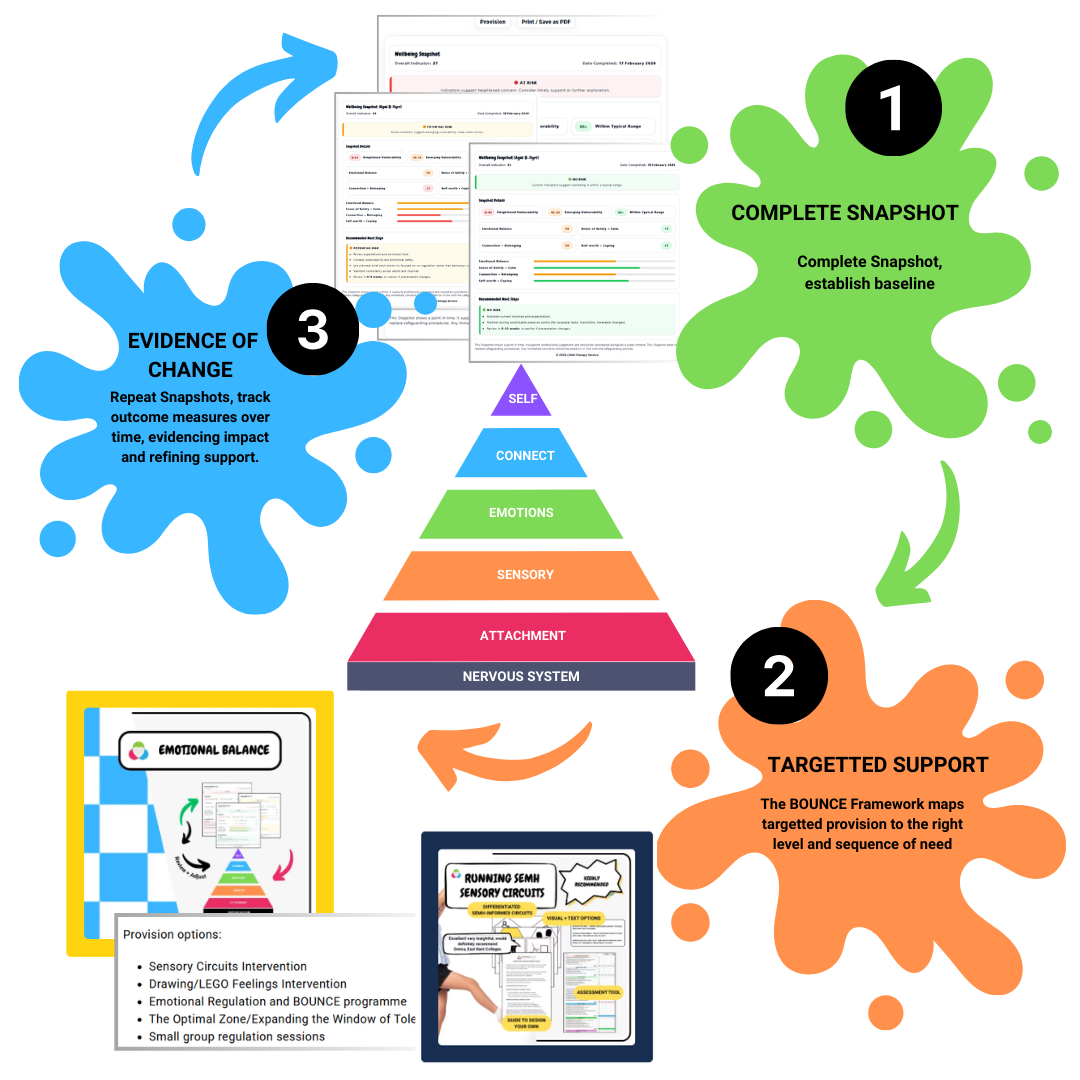
Snapshots are not:
- ❌ A diagnosis or label
- ❌ A clinical assessment
- ❌ A wellbeing survey
- ❌ An end-of-term reflection
They are not retrospective paperwork.
They are designed to inform next steps.
They capture a moment in time so staff can decide what to adjust tomorrow.
They support:
- Identifying emerging risk
- Informing proportionate action
- Reviewing impact within weeks
- Making professional judgement visible
They strengthen the Assess and Review stages of the graduated approach.
They do not replace judgement.
They document it.
🛠 The Learning Portal: From Knowledge to Application
This is where many platforms fall short.
They provide:
- CPD on Theory
- Conceptual frameworks
- Policy overviews
That is valuable.
But theory alone does not change practice.
There is a difference between:
Understanding a framework
and
Applying it at 9:10am on a Tuesday.
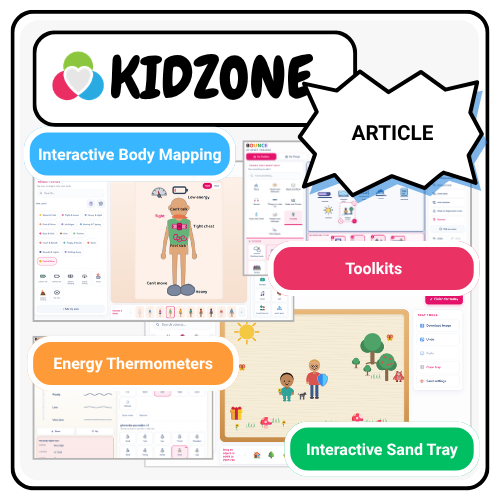
The Learning Portal focuses on:
- Practical, hands-on strategies
- Step-by-step intervention guidance
- Real-life implementation examples
- Ready-to-use activities
- Printable tools
- Regulation-first classroom adaptations
It is built for:
Teachers.
Teaching assistants.
Pastoral leads.
SENDCos.
To use immediately.
Not at the end of term.
Not at crisis.
Not at diagnosis.
Immediately.
🔁 A Practical Graduated Response in Action
When used together:
Snapshots identify where risk may be increasing.
The Learning Portal provides practical intervention.
Re-running Snapshots reviews whether barriers reduced.
That is:
Assess → Plan → Do → Review
Made visible.
Not theoretical.
Operational.
🎯 Clear Policy Alignment
This approach aligns with:
- The White Paper’s emphasis on inclusion and achievement
- The SEND Code of Practice requirement for assess–plan–do–review
- Ofsted’s focus on the impact of systems and processes
It does not claim to be mandated by policy.
It supports schools to meet existing expectations more clearly.
👉 Want to See How It Works in Practice?
If you are:
- Strengthening your graduated response
- Preparing for inspection
- Looking to make impact more visible
- Wanting practical, not theoretical, CPD
👉 Learn more about Snapshots and the Learning Portal.
👉 Or book a short demo to see the system in action.
Because prevention works best when it is practical.
And impact matters most when it is visible.