The Science Behind the Sounds: Why Music Helps Children Regulate
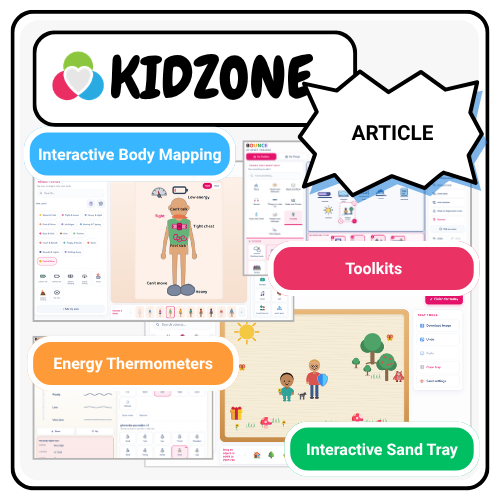
We’re excited to share that all customers who purchase a course, access support as a Client – and all Learning Portal members – now get access to the BOUNCE® Music Library inside our newly developed ‘KidZone’.
This new area gives children a safe digital space to explore music designed to calm, focus, and reconnect their nervous system – wherever they are.
It’s grounded in the same science that underpins the BOUNCE® Approach: helping children move from chaos to calm through sound, rhythm, and frequency.
This post explains the research and reasoning behind the Music Library – so you can understand exactly how and why it works.
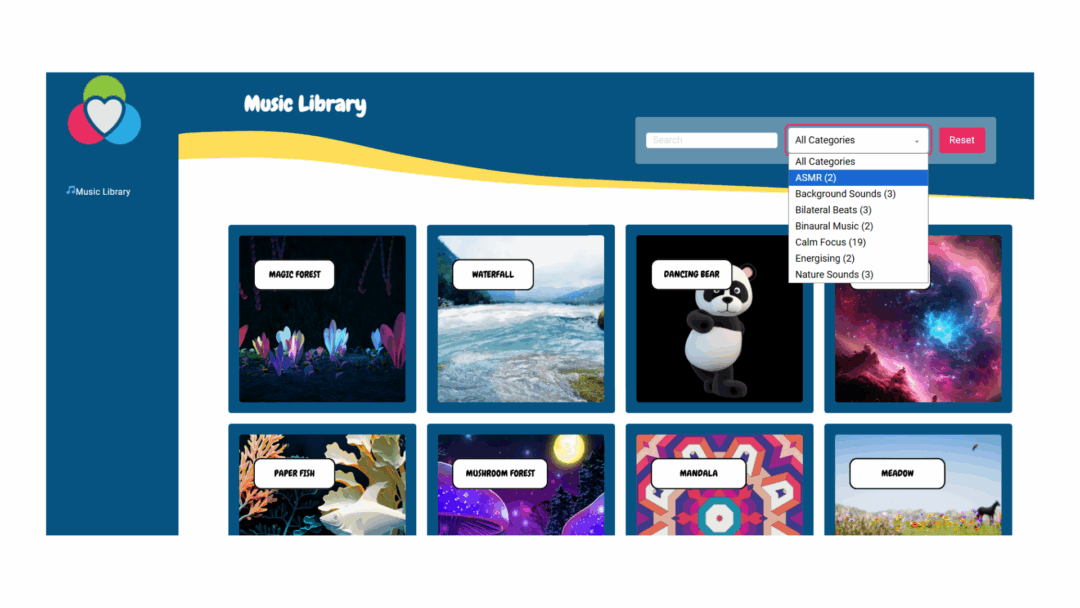
(Calm Focus) Alpha – 60 bpm
A steady, heartbeat-paced rhythm – just like calm breathing.
Research shows that around 60 beats per minute helps the heart, breath, and brain sync together, creating a state of calm focus. It supports alpha brainwave activity – the state we’re in when we feel alert but relaxed.
Why it works: predictable rhythm + safe tempo = steady body, steady mind.
ASMR – 30 bpm
Ultra-slow sounds that help the body fully exhale.
ASMR (Autonomous Sensory Meridian Response) music slows everything down, helping the body feel safe and grounded. Studies show it can release calming chemicals like oxytocin and dopamine – the same ones linked to trust and connection.
Why it works: soft, slow sound invites deep calm and a sense of being held.
Background Sounds (White, Pink, Brown)
A gentle layer of sound that makes the world feel quieter.
Broadband sounds like white, pink, and brown noise help mask unpredictable noises and smooth out sensory input. This supports children who are easily distracted or overwhelmed by sound.
Why it works: background sound stabilises the senses, reducing overload and helping attention settle.
Nature Sounds (Waterfall, Light Rain, Heavy Rain)
Natural soundscapes that connect children back to rhythm in nature.
Flowing water and gentle rain sounds create predictable, low-frequency patterns that the brain reads as safe and familiar. These frequencies are known to calm the vagus nerve and support sensory regulation.
Why it works: nature sounds ground the body, lower stress hormones, and build a sense of calm connection to the environment.
Bilateral Sounds
Alternating tones that move gently from left to right.
This mirrors the bilateral stimulation used in EMDR and other trauma-informed approaches, helping both sides of the brain work together. It can calm the amygdala – the part of the brain that signals danger.
Why it works: rhythmic left-right sound helps the brain integrate and relax.
Binaural Music
Subtle shifts in frequency that help the brain tune in.
When two slightly different tones are played in each ear, the brain creates a “third” sound – called a binaural beat. Different frequencies support different states: alpha for calm focus, theta for deep relaxation, beta for alertness.
Why it works: gentle brainwave entrainment helps children shift into the state they need most.
For Families
Think of the Music Library as a tool for co-regulation, not correction.
It’s a way to help your child’s nervous system find balance – especially when words or reasoning aren’t helpful.
You might:
- Offer a choice of tracks and notice together which ones feel comforting, soothing, or alerting.
- Use Calm Focus music during routines like homework or winding down before bed.
- Try Nature Sounds or ASMR after a sensory overload or emotional outburst to restore a sense of safety.
- Keep a pair of headphones or a speaker in a “calm space” so your child can retreat and listen when they need it.
There’s no right or wrong way to use it – what matters is helping children listen to their bodies and recognise what feels good for them.
For Professionals
For practitioners, educators, and therapists, the Music Library works best when woven into relational, sensory, and trauma-informed practice.
It’s not about changing behaviour – it’s about supporting regulation, safety, and readiness for connection.
You might:
- Use Calm Focus tracks to create a grounded atmosphere before sessions or learning.
- Pair Bilateral or Binaural sounds with creative interventions like sand tray, creative and expressive arts, yoga or mindful movement.
- Offer Background or Nature Sounds during reflective work or calm corners to reduce sensory load.
- Encourage children to choose their own track as part of emotional check-ins or transition routines.
Music becomes part of the intervention – reinforcing the message that regulation comes through body awareness, not control.
Why This Matters
Children’s nervous systems are constantly scanning for cues of safety.
When sound is rhythmic, consistent, and non-threatening, it tells the body: you’re safe enough to rest, learn, or connect.
The BOUNCE® Music Library supports that process – helping children build sensory trust and self-awareness through sound.
How to Access
If you’re a Learning Portal member you already have access to the BOUNCE® Music Library through KidZone.
Simply use password in your email to explore the tracks and try them out in your own setting.
Not a Member? Then, take a look at this
BOUNCE® helps children move from chaos to calm – one sound at a time.
When safety is felt in the body, regulation and connection naturally follow.
Not sure?
Then, listen to this …