🛠️ What emotional regulation strategies do we use in the Learning Portal?
Across the Learning Portal, we use DBT-informed strategies.
DBT stands for Dialectical Behaviour Therapy.
In simple terms, this means practical tools that help children cope with big feelings safely, in the moment.
🔄 What “dialectical” means in practice
Dialectical means two things can be true at the same time:
- 😡 A child can feel angry and still be a good person
- 🌱 A child can be struggling and still want to do well
- ✋ A part of a child can say “no” and need support
This reduces shame and helps adults respond with understanding rather than control.
🧠 What we mean by “behaviour”
In DBT, behaviour is not about compliance
It simply refers to what the body and brain do when emotions are strong:
- 🔊 shouting
- 🫥 withdrawing
- 🧊 freezing
- 🏃 running
- ✋ refusing
- 💥 melting down
We treat behaviour as communication, not defiance.
🫁 What DBT strategies look like in the Portal
The DBT-informed strategies we use focus on:
- 🫁 calming the nervous system
- 🪟 widening the window of tolerance
- ⛔ reducing escalation
- 🔄 supporting recovery after stress
- 🤝 keeping connection intact
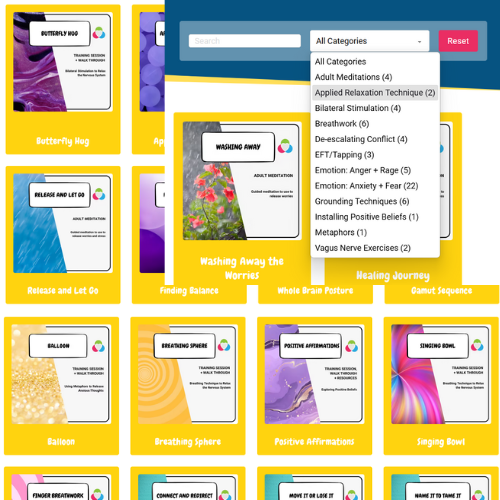
These include body-based, sensory, grounding, pacing, and pause-based tools that work even when a child can’t talk or think clearly.
🧩 Why this fits the BOUNCE® Approach
DBT-informed strategies align with BOUNCE because they:
- 🖤 support the body first
- 🧡 respect sensory and emotional differences
- 💛 reduce shame
- 💙 strengthen co-regulation and trust
In BOUNCE terms:
- regulation comes before reflection
- safety comes before skills
- connection comes before change
Not a Member? Learn more here