
Activities for Shutdown and Withdrawal
21/01/2026
This article is available to registered subscribers. Create your free account to access this article, along with a growing library of practical, evidence-informed resources designed to support children and young people. Registration is free, takes less than a minute, and you'll only need to do it once.
Login / Register
Related Posts

23/08/2026Research Library
23/08/2026Research Library
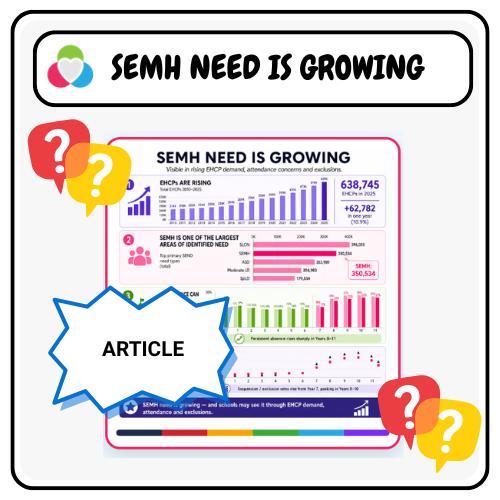
20/08/2026N - Navigating Emotions, SEMH, Whats New
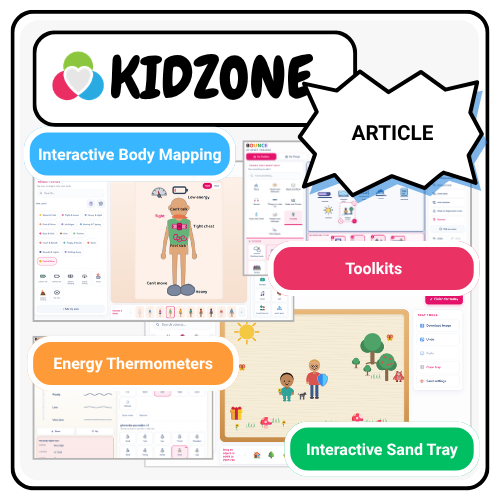
31/07/2026Activities + Ideas, N - Navigating Emotions
Testimonials
CM
Carla Mendonça
Actress & Author
★ ★ ★ ★ ★
Your knowledge and compassion are admirable. Any family, parent or child would be more than fortunate to be placed in your care.
CS
Dr Claire Stubbs
Counselling Psychologist
★ ★ ★ ★ ★
CTS are SO important in equipping us as professionals with a range of ideas and knowledge to support children and families who feel lost or in the dark.
LM
Lydia Martin
Senior SEND Project Officer, SEND Live 2025
★ ★ ★ ★ ★
Your workshops were a highlight of SEND Live 2025. The feedback from attendees has been overwhelmingly positive.
DC
Davinia Cooper
LEGO-Based Therapy · Google Review
★ ★ ★ ★ ★
I came away feeling confident, inspired and well equipped to start implementing Lego-Based Therapy. A thoughtful and comprehensive course.
E
Elka
Parent
★ ★ ★ ★ ★
It allowed me not just to understand my own son’s struggles but my own childhood struggles that I never really fully addressed.
N
Nathan
Professional
★ ★ ★ ★ ★
The whole package of intervention alongside appropriate impact measurement tools is an excellent way to evidence progress and impact.
K
Kirsty
Parent
★ ★ ★ ★ ★
Insightful and empathetic with actual actionable advice. I left feeling totally understood and really positive about life with our little boy.
E
Effrosyni
BOUNCE Framework
★ ★ ★ ★ ★
The BOUNCE Framework course is excellent — a perfect mix of theory and practice. I feel inspired and ready to apply it.
J
Jyoti
Parent
★ ★ ★ ★ ★
Tracy has an uncanny sense of empathy. She gives you all the tools and resources you were wishing for on a platter.
M
Melissa
SEMH Sensory Circuits
★ ★ ★ ★ ★
Honest, incredibly practical, and designed for educators who need to support neurodivergent students right now.
D
Debbie
Pastoral Lead
★ ★ ★ ★ ★
My absolute go-to when working in a primary school. These resources have made a huge difference to our vulnerable children.
S
Sasha
Emotional Regulation & BOUNCE
★ ★ ★ ★ ★
Really interesting and will benefit my students massively! Finally understood polyvagal theory.
E
Emily
LEGO-based Therapy
★ ★ ★ ★ ★
An informative, evidence-based, child-centred intervention supported with depth, insight and clear modelling from Tracy.
H
Hayley
SEMH Sensory Circuits
★ ★ ★ ★ ★
Excited that I now have the knowledge to use sensory circuits with my preschoolers to enable their optimal learning zone.
N
Natasha
Parent & Professional
★ ★ ★ ★ ★
Tracy is great! Her trainings are super and I’ve gained so much knowledge in such a short space of time. You will not be disappointed.
C
Chloe
Teacher (ASN)
★ ★ ★ ★ ★
A highly effective and practical tool that benefits both pupils and classroom practice. Real impact on my work supporting pupils with Additional Support Needs.
RE
Rennison Evans
LEGO-based Therapy
★ ★ ★ ★ ★
Very informative. I feel empowered to start delivering Lego sessions.
← swipe to see more →